Migration
Select Livestock
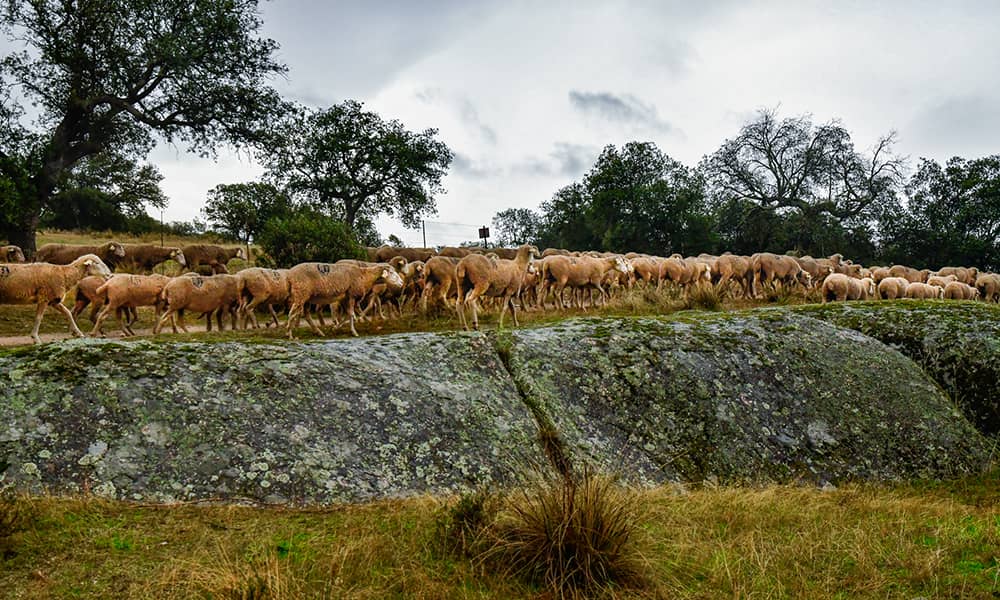
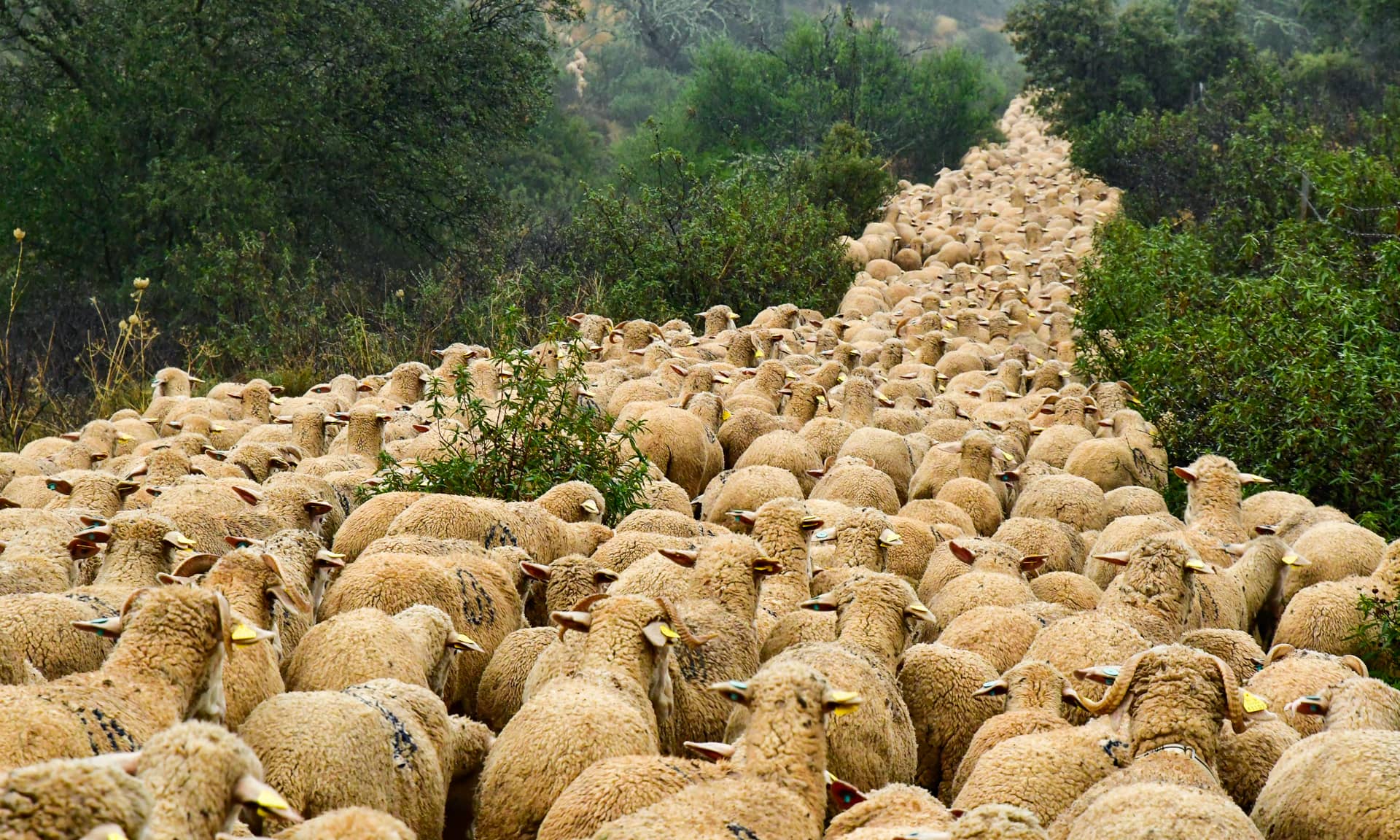
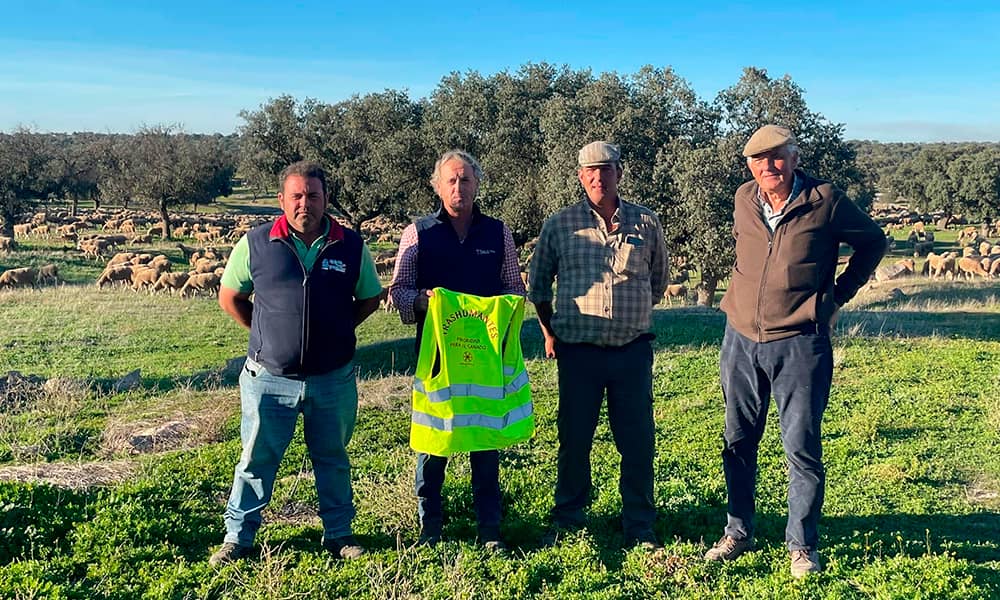
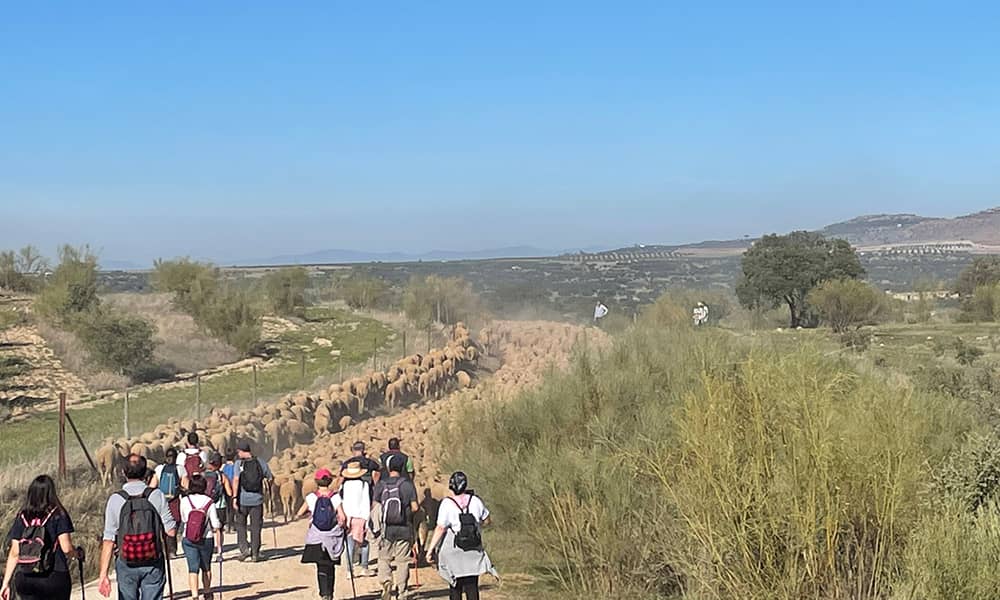
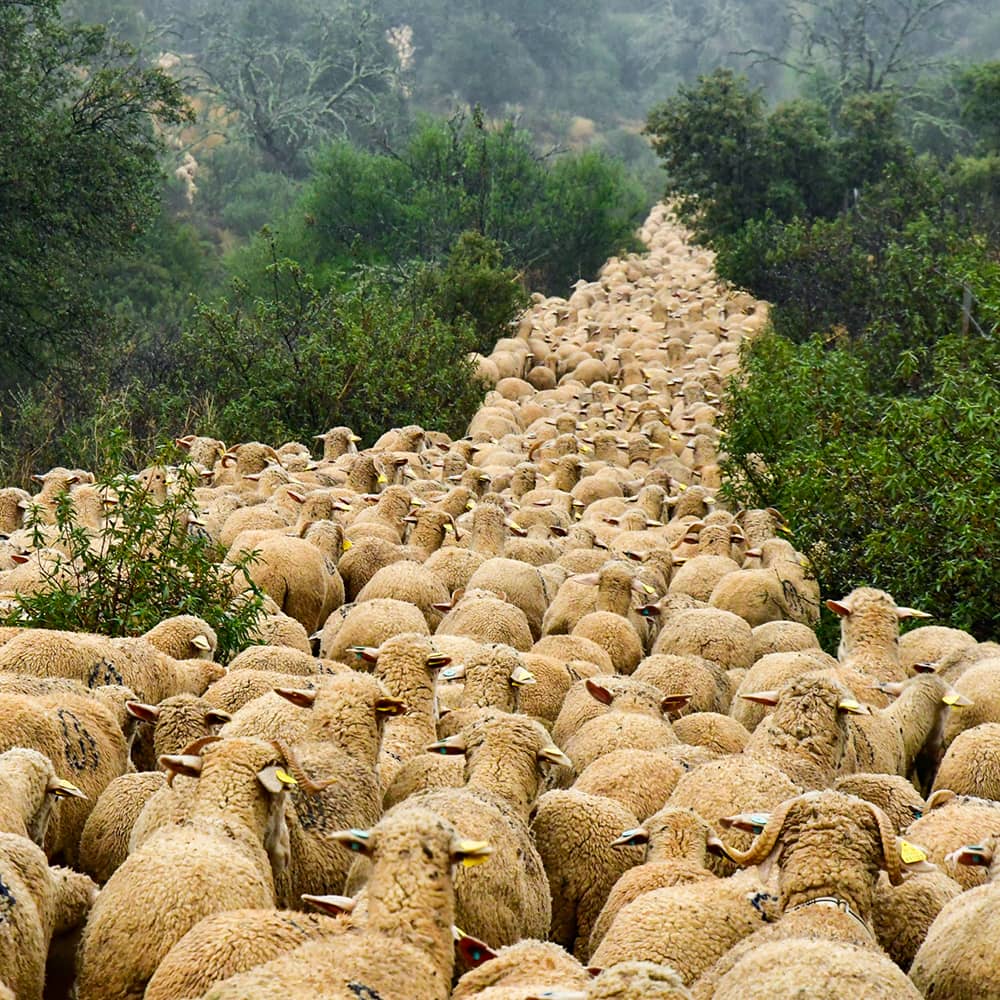
Our livestock has been 40 years traveling along these cordes and trails from Medellín to the areas of La Haba, Name it, along the livestock trails, Today, thirty-five years later, we maintain this legacy that our ancestors have left us and we intend to display it with the largest and most important flock of pure Merino sheep in Spain..
Merino J Livestock. Ortiz
Migration
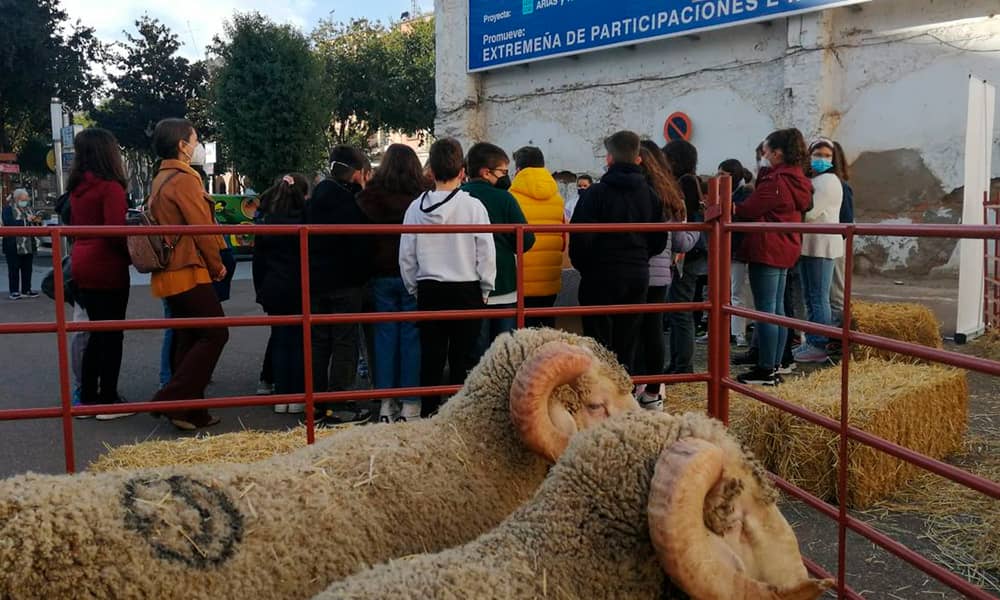
The Merino sheep is very resistant to extreme conditions and withstands long journeys well..
What is Transhumance and Transterminance??
Transhumance or action of transhumance, It is a form of extensive exploitation- siva that involves the movement of livestock driven by man from winter pastures to summer pastures and vice versa. It is a migration movement of livestock in search of fresh pastures in the mountains.- tañas during the summer months, and milder temperatures in the mountains- houses in the south and at the bottom of the valleys in winter. Climatic differences fru- of the physical configuration of the peninsula explain this seasonal displacement. For your part, Transterminance is an activity characterized by short-range seasonal movements.
History of transhumance in Spain
This ancient practice was legally consolidated in 1273 with the creation by Alfonso, assembly of ranchers to defend their privileges and interests. Several reasons have been put forward to justify the rapid rise of transhumance, one that the constant state of war between Christians and Moors developed this form of semoviente capital, that could be stolen from the ene- my friend during the hostilities. Another was the depopulation that existed especially after the Black Death. (1.348 – 1.350) that devastated Spain. But the real cause that forces livestock migration, both in Spain and in other Mediterranean countries, was the availability of seasonal pastures, due to climate and topographic conditions, that made it necessary to travel twice a year. In this situation, In the 15th century, five million sheep moved through Castile, goats, cows and horses, on routes up to 600 kilometers. Ultimately, Sheep transhumance was very important in our country because the search for pastures was necessary to maintain the high number of these animals., necessary for the export of wool throughout Europe. The passage of cattle was carried out, and it is still done, by roads. These roads, depending on its minimum width, are classified into: glens, ropes and paths. The set of all these roads is called livestock routes.. The old migratory paths still constitute an important heritage today., with more than 125.000 kilometers long and 400.000 hectares of surface. They link the Guadalquivir and Guadiana valleys with the Cantabrian mountains, Somosierrra, Urbión or Albarracín, and the Levantine coast with the Serranía de Cuenca or the banks of the Ebro with the peaks of the Pyrenees or the Iberian Massif. Currently these roads are public heritage, and they form a network that unites almost all the Spanish provinces..
Our livestock has been migrating along these cordes and paths for more than forty years from Medellín to the areas of La Haba., Name it, along the livestock trails, Today, thirty-five years later, we maintain this legacy that our ancestors have left us and we intend to display it with the largest and most important flock of pure Merino sheep in Spain..
Spain and France are already leading the second candidacy to declare transhumance as a World Heritage Site, to the success of the declaration of the first candidacy, presented by Italy, Greece and Austria, This second initiative is joined by other European countries such as Albania, Croatia and Romania.
This declaration is very important for the recognition and support of transhumance in Spain., continuing the efforts that have been made for a long time by both public and private entities and that have had, among other notable successes, the publication of the transhumance notebooks or the white paper on transhumance.
Environmental benefits, sociocultural and territorial aspects of Transhumance
Town maintenance
Transhumance fixes the population to rural areas, since it is an activity that basically extends to disadvantaged and mountain areas.
Biodiversity maintenance
The extensive and seasonal grazing on which transhumance is based contributes to the diversification and conservation of habitats of very high environmental value
Forest fire prevention
The environmental benefits of this activity mainly affect the prevention of fires fo- subtractions, since cattle consume dry matter which is a great fuel- forest tile.
Livestock mobility
It allows profitability and the use of agricultural by-products whose elimination by other methods, such as herbicides or stubble burning, causes serious environmental damage.
Rural development
Allows alternative uses of the territory of great interest, such as hiking or horseback riding, that contribute to maintaining rights of passage and promote the social and economic development of rural areas.
Erosion prevention
In certain areas such as La Siberia and La Serena due to the extensive grazing of the breed.. The intervention of merino cattle in the area of La Siberia and La Serena leads to the maintenance of the surface layer of the earth, preventing land erosion.
fertility naturally
Animal droppings constitute a source of natural fertilizer of great interest., since it is an itinerant livestock farm that therefore does not damage the environment.
Quality production and health
Under normal conditions, through is- In the livestock use system, the animal can be fed throughout the year with natural grass., which provides meat of enormous quality and health.
Conservation of valuable ecosystems
Like mountain pastures, extensive cereal crops and holm oak meadows, preventing forest fires, Soil erosion and the damage that cattle ranches cause to the te- rren, to the waters and the trees.
Our passion
The Legacies of Transhumance
throughout history, Transhumance has left both the northern mountains and Extremadura and the towns through which the ravines passed., an indelible mark on their culture, vocabulary, folklore, gastronomy and even in popular architecture. However, the most important legacy, is the merino sheep, Born in the northern mountains by anonymous shepherds and now spread throughout the world, standing out in the US, Argentina, Uruguay, South Africa, New Zealand and, especially, in Australia, where the 100 million heads.
Special attention deserves the landscapes that these activities have generated for centuries due to the careful interaction of the shepherd and his flock on the environment.. Transhumance has led to the maintenance of ecosystems of great interest such as the meadows of Extremadura and La Mancha or the high altitude pastures of the merino mountain ranges of the Cantabrian mountain range or the Iberian and Central Systems., as well as countless natural spaces of enormous ecological and environmental value.
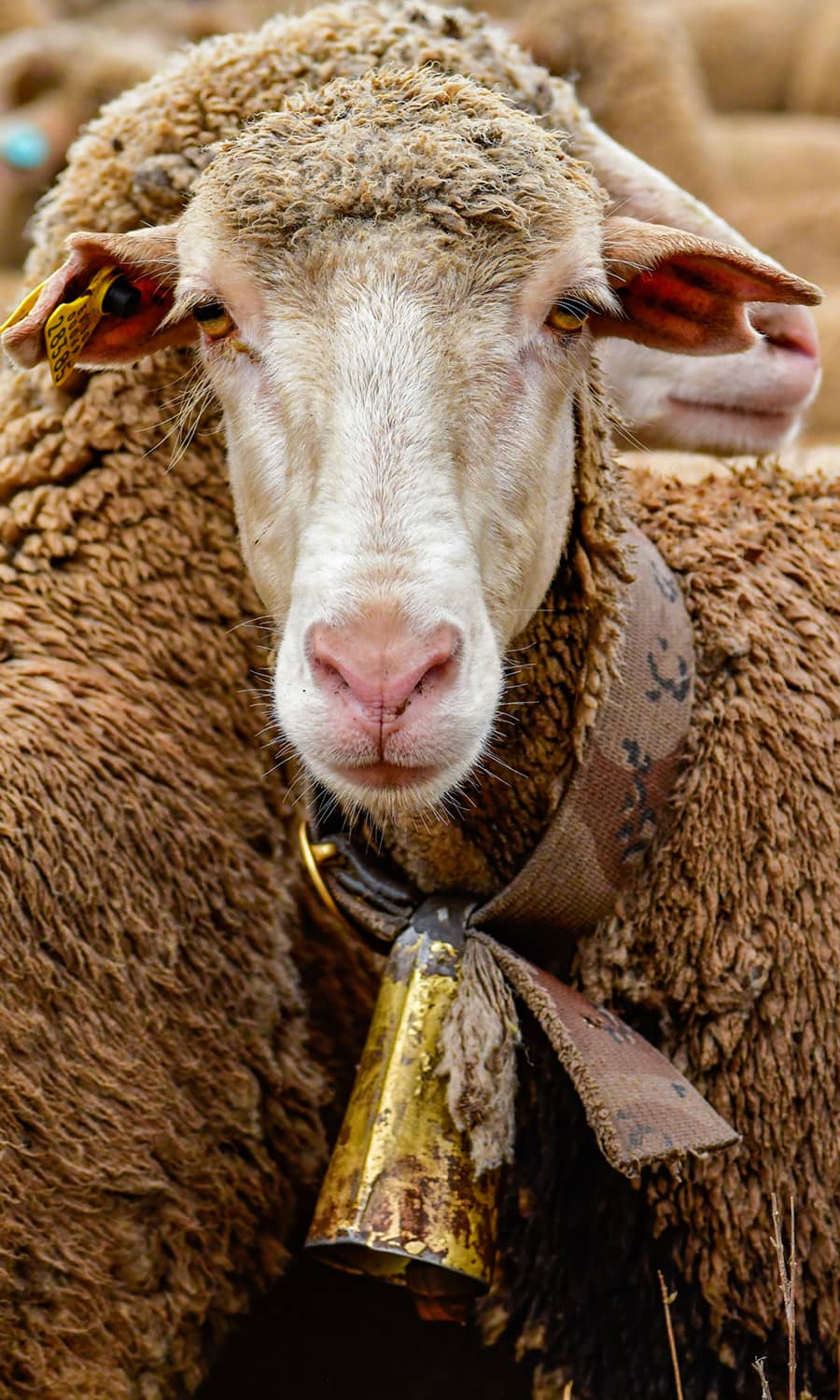
The image of our environment full of life and future.

Merino for everything!
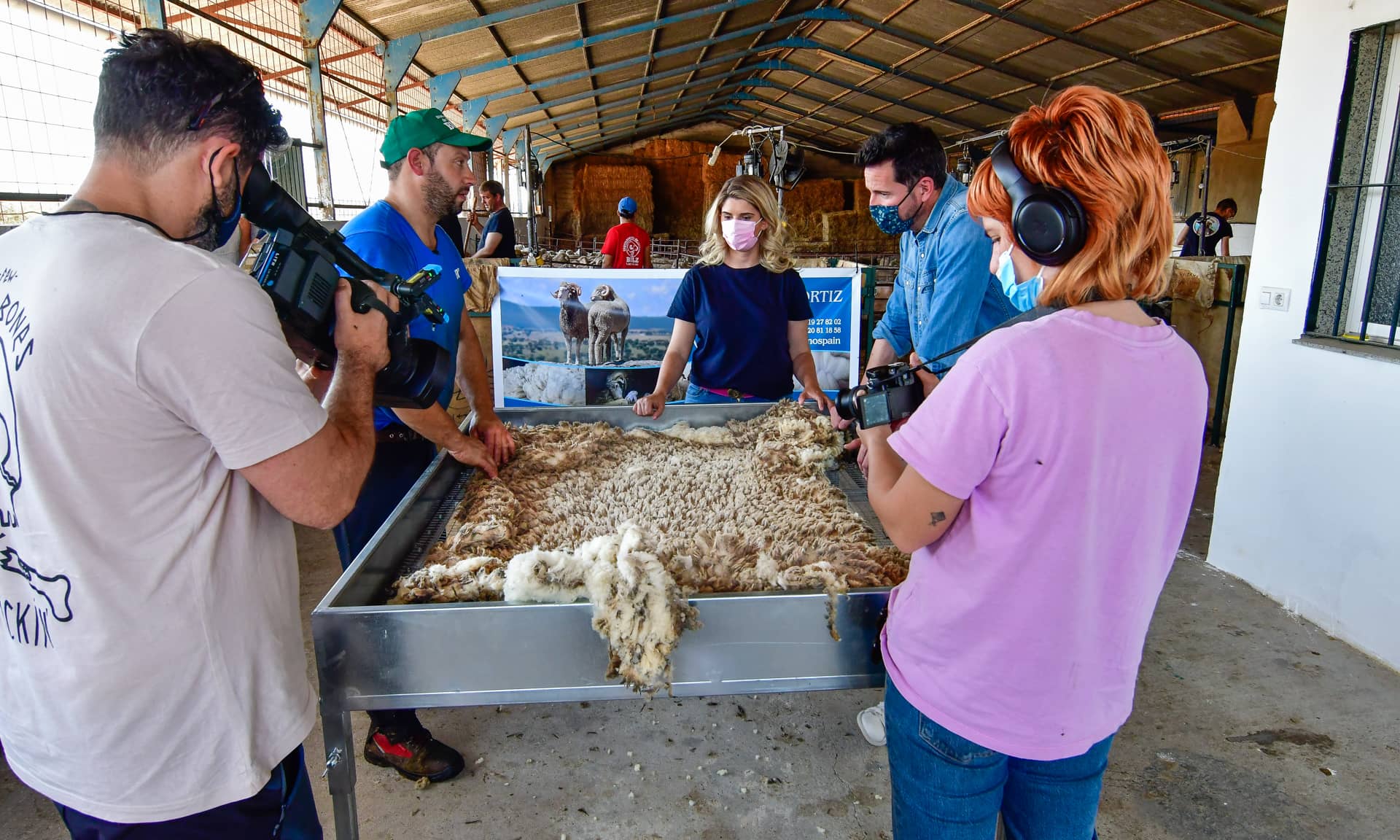
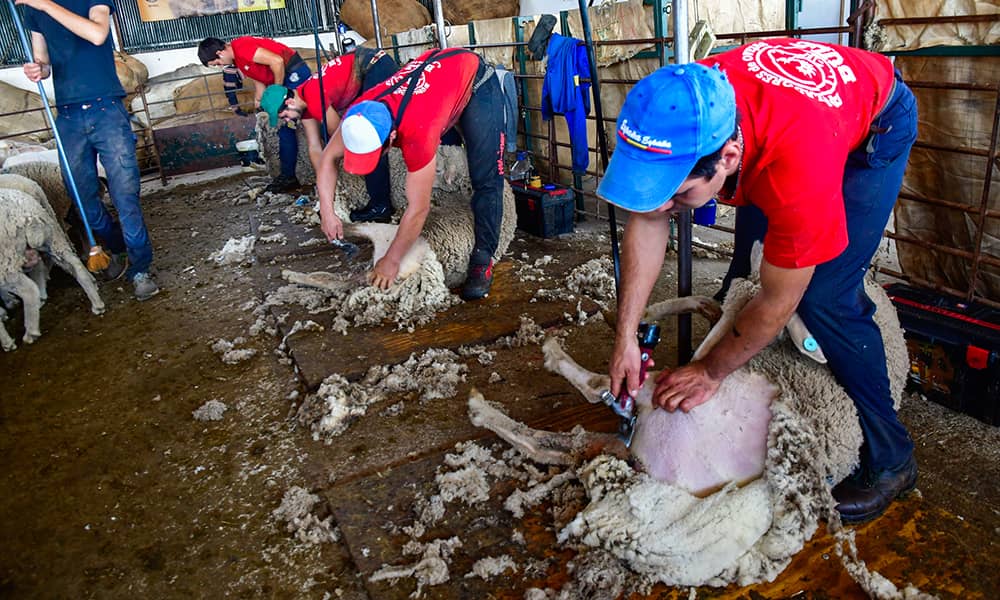
In our livestock farm we have worked for more than 80 years in making animals with magnificent wool but without forgetting the meat part.
Merinos improving meat and wool production based on selection on the pure Hidalga line sheep without introducing genetics from other meat sheep breeds, considered today our merino line, as its own genetic line that has come to improve the old Hidalga line since its strictest conservation, generating a unique and intact nucleus in constant evolution towards the biomechanically perfect merino sheep with ultra-fine wool.
We are a livestock farm 100% registered in the book of the Merino Breed and today considered an improver of the breed, We have managed to maintain this wool prestige together with spectacular meat yields.
Find out our latest news and important information about the most international breed of sheep.. The breed of sheep that has marked the history of Spain during 800 years. The original purity of the Merino breed.