“Garzón prefers to criminalize the livestock sector than to encourage it to pollute less”
Article created by Laura de Miguel
All Spanish media outlets have been covered “by accident” since last week he uploaded a video to his social networks calling “ignorant” to the Minister of Consumer Affairs, Alberto Garzon, who accuses him of “not knowing the livestock producers or the production”.
The media and political storm that she unleashed with her statements led this Zamora woman to 38 years, lawyer, who left the city to live in and from the countryside, to receive telephone calls from newspapers, agencies and television producers who sought the opinion of an extensive livestock farmer who defends the work of intensive farming tooth and nail., because for her “both are necessary and are the same sector”.
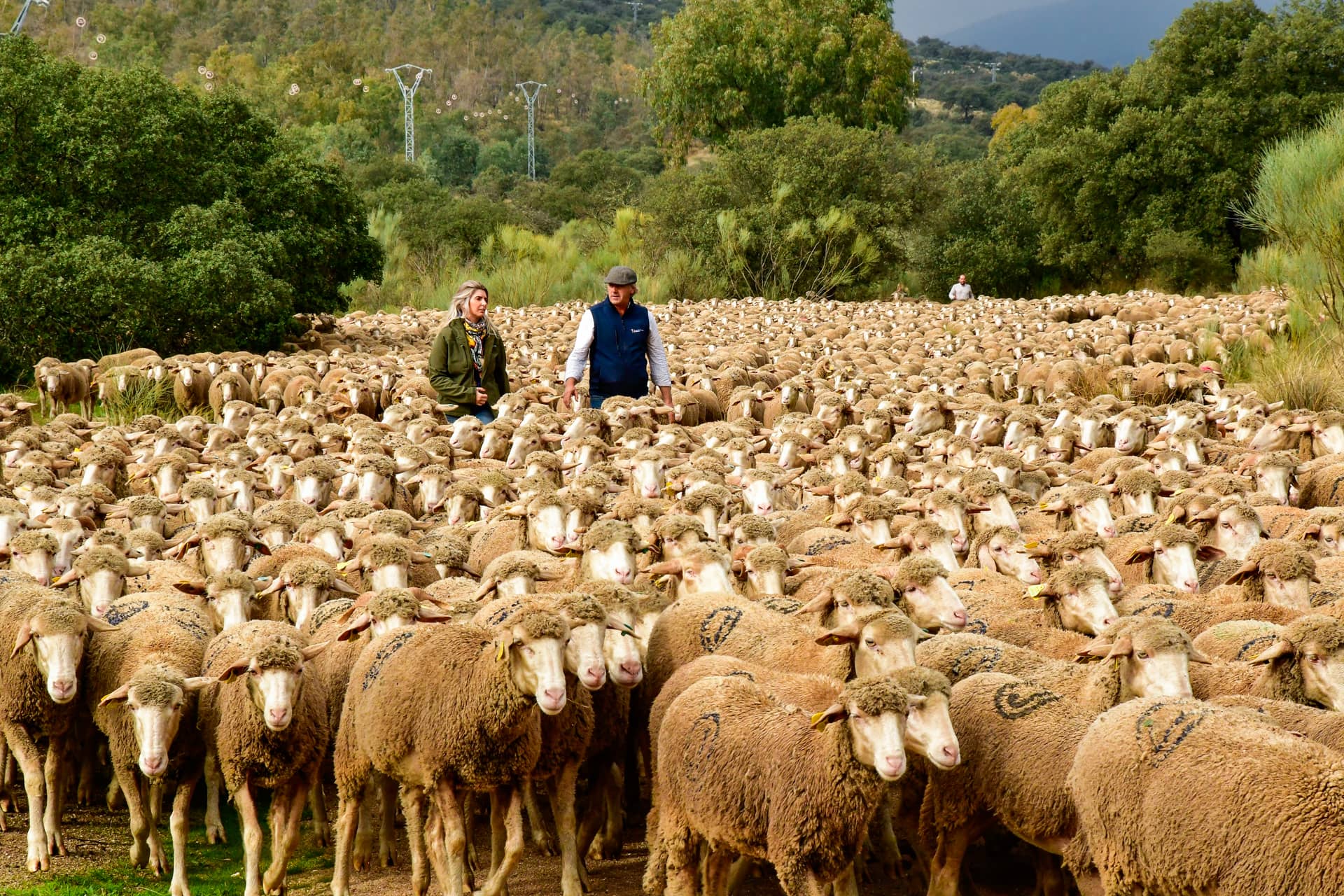
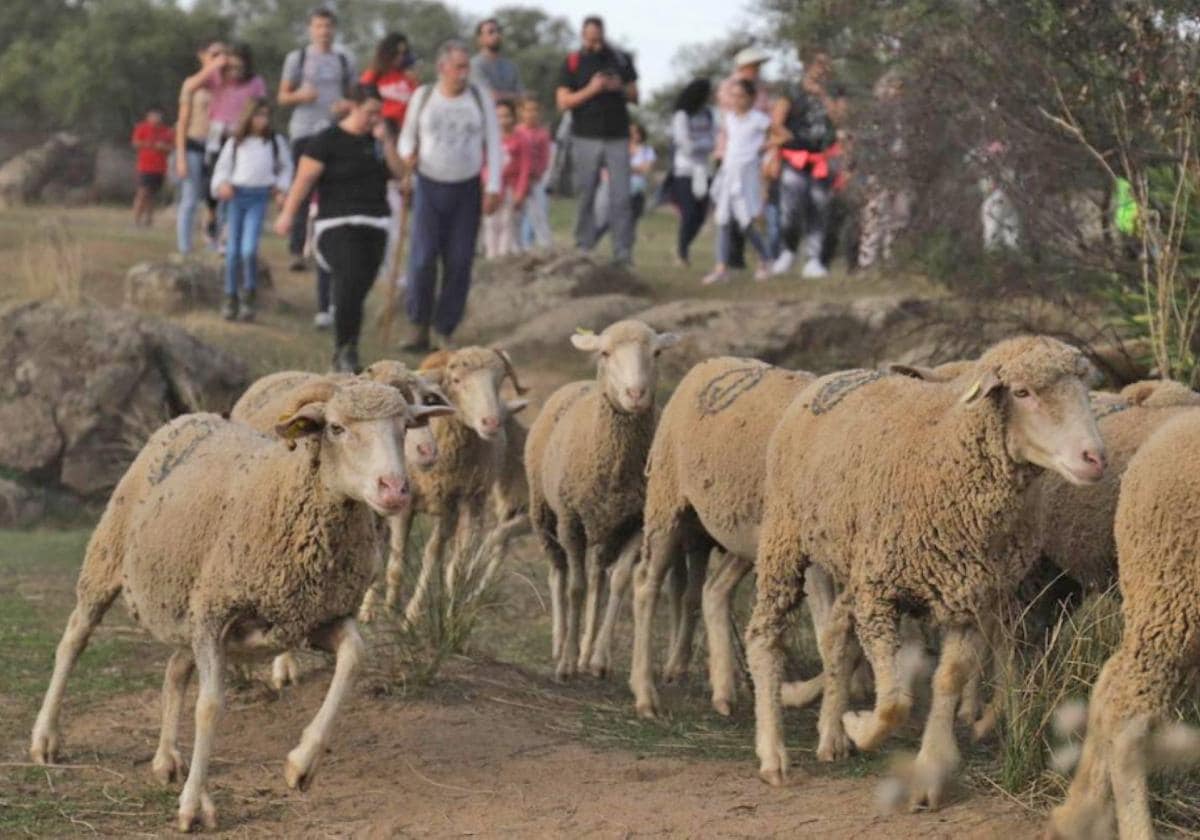
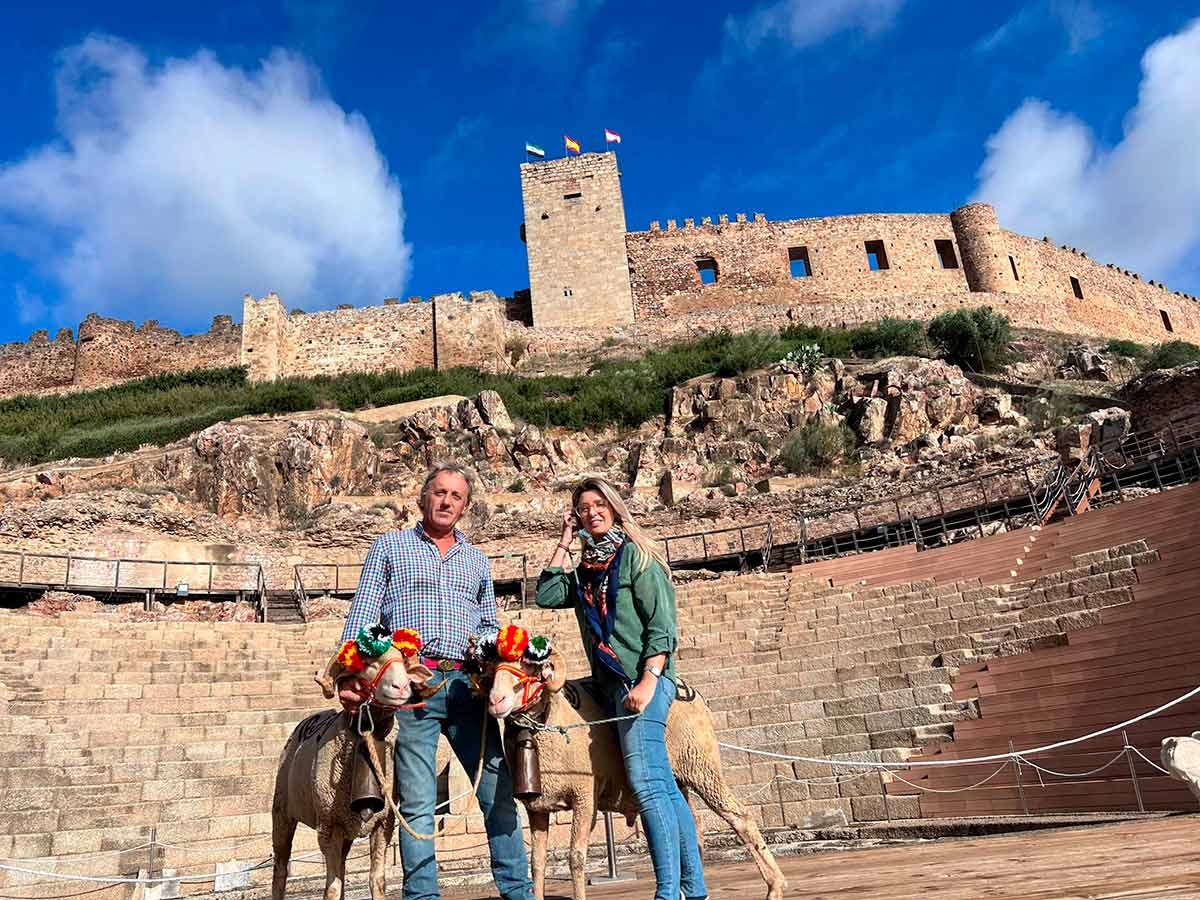
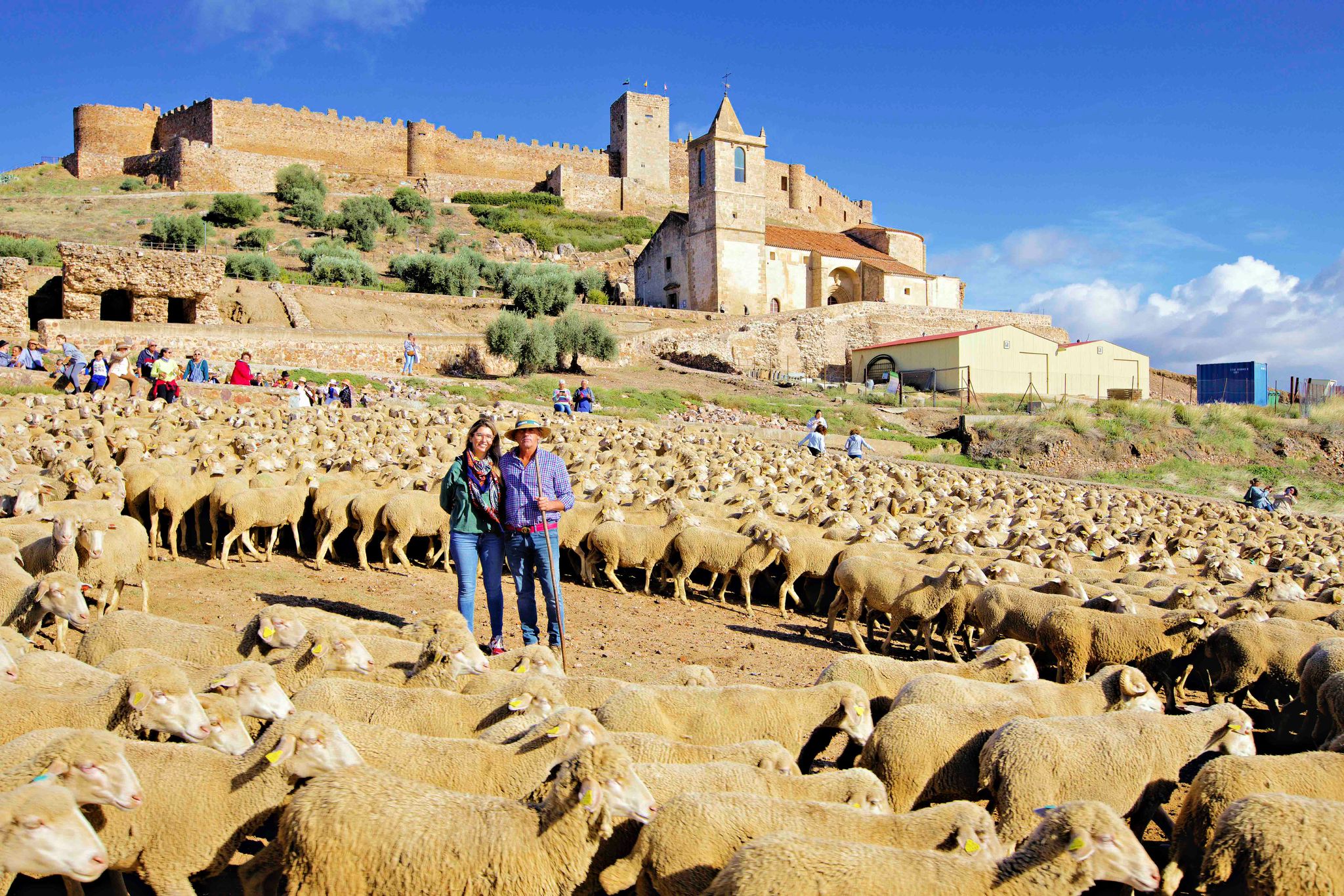
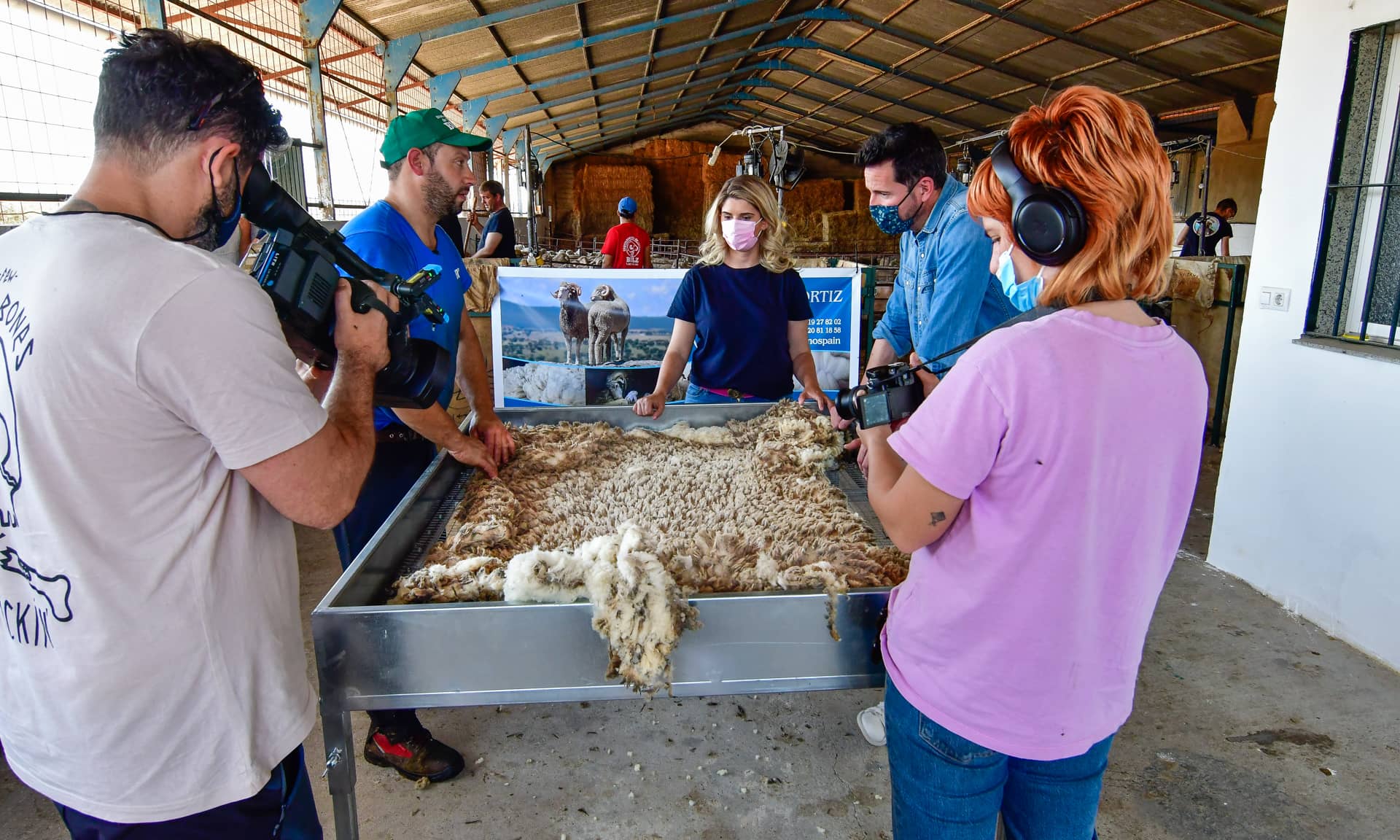
Camino Limia with Joaquín Ortiz, of the Merino sheep farm that bears his name, herding his sheep.
“Many media outlets have looked for the headline or the controversy and I have ended up receiving insults and all kinds of accusations on social networks for telling Garzón the truth.”, says Camino.
“We ranchers have no ideology, I have friends from the right and the left, We just want to be able to work and continue doing things well”, assures, but the truth is that the debate has ended up polarized between those of #yocongarzon and those of #caminolimia.
So, and as usually happens with any debate in Spain, Social media users have already started labeling macrofarms as 'right-wing' activity’ and 'left-wing' extensive livestock farming.
Both find defenders of their approaches on both sides of that digital thermometer of public opinion, but the debate has ended up suffocated by this habit of politicizing everything, so the bias is served.
“In any case, this debate about the suitability of the so-called macro farms, it's already “poorly posed because not even the law includes how many heads of cattle we can talk about intensive exploitation in Spain”, assures Limia.
A rancher who finds that behind this “new and insistent fashion of criticizing meat consumption” the interests of “lobbies that are very far from promoting this because they care about the countryside or the environment”, assures.
Sustainability as a concept
Minister Garzón's controversial statements in the British newspaper The Guardian calling “poor quality” meat from Spanish intensive or stabled farms, has led Camino to speak clearly about what he considers “a direct attack from the deepest ignorance”.
Sustainability, “It has nothing to do with the size of a farm but with how that project is developed”, hence “There are intensive farms that do it well and comply with environmental regulations, and other small ones that do it wrong”, indica.
“I cannot understand how the Government and even some media outlets, a debate that does not exist is being fueled, to confront the ranchers, to intensive with extensive, when in reality we are the same sector and both must coexist to guarantee access to quality meat for all families, not only the richest”, assures.
You help sustainability instead of criminalizing
The Zamoran, president of the World Sustainable Livestock Association in which they are represented 26 countries, urges the Minister of Consumer Affairs to “copy the models of countries that instead of attacking their farmers, economically encourage them to be more sustainable, to be able to carry out this transition towards a more ecological project, because there is no one who respects the countryside and the animals more than the professionals who dedicate themselves to it.”.
“What is not acceptable is that instead of looking for solutions here, he believes that more sustainable measures must be taken., dedicates himself to criticizing the product of the farm workers of his own country”, duck.
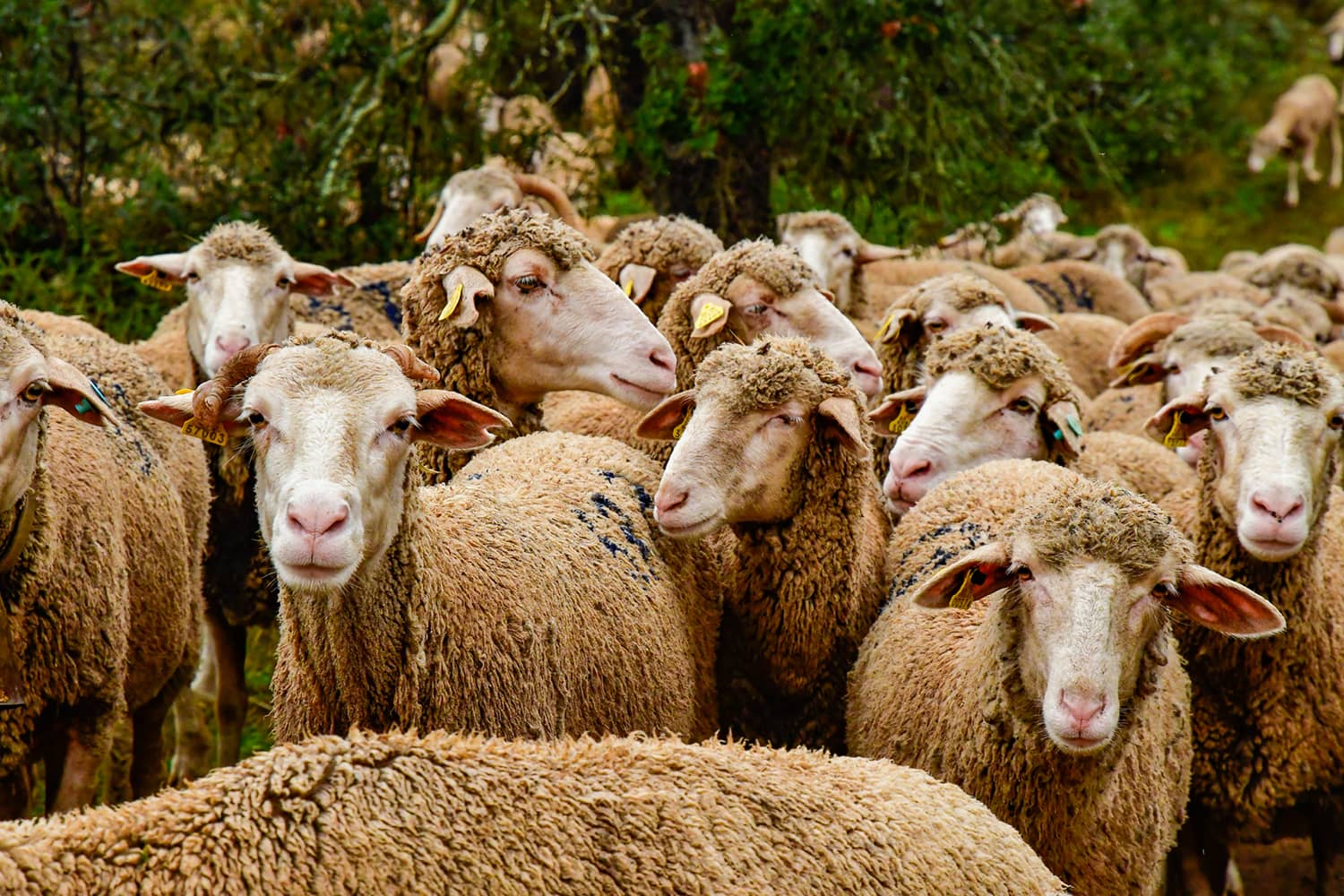
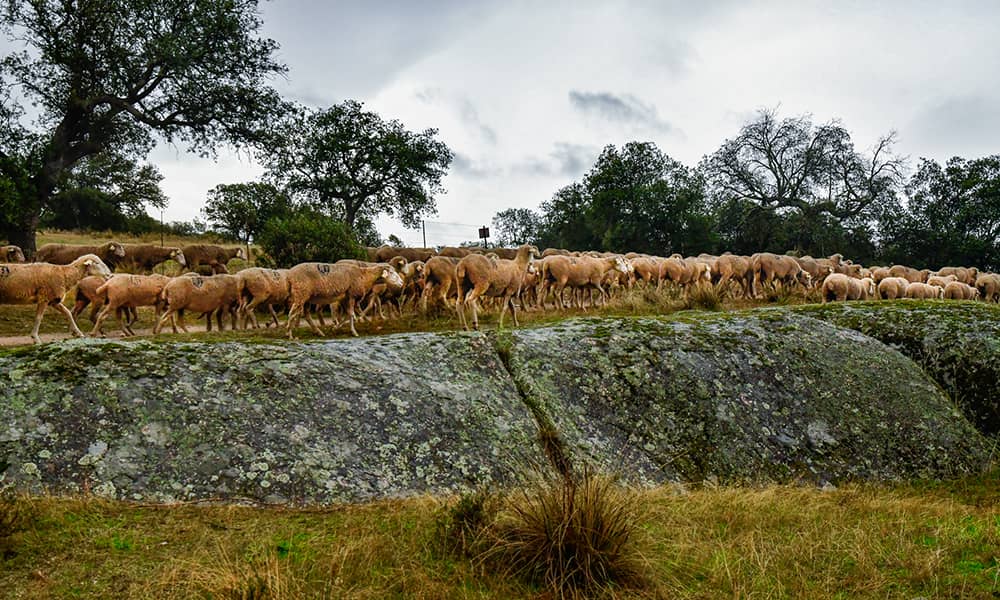
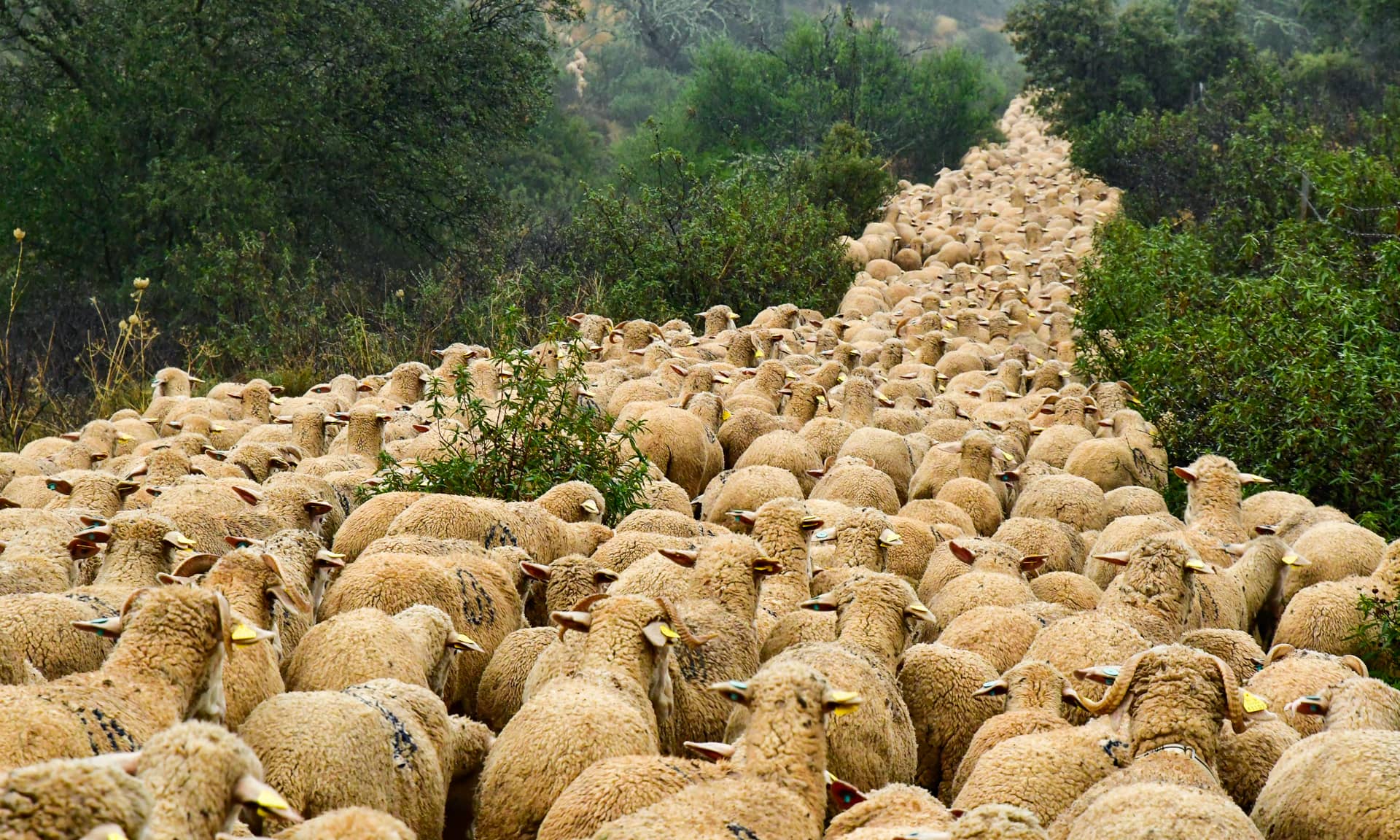
Specimens of the livestock that the Camino Limia from Zamora takes care of. #merino wool
In this sense, Camino recalls that the livestock sector has been doing “a great effort to adapt its processes to new models by applying all the discoveries and improvement studies that allow better management of animal waste”.
limit reveals, For example, he “excellent work on the 'Life Ammonia Trapping' project’ developed by the University of Valladolid in collaboration with the Itacyl“, in which, after four years of research, managed to formulate a model to reduce ammonia emissions generated by livestock waste and recover that NH3 in the form of ammonium salt, which turns out to be a high value natural fertilizer.
“But it is much easier to seek controversy to generate a negative opinion based on ideological interests., to find the improvements that are being made and that allow us to bring home the best quality meat in the world, like that of Castilla y León, with all environmental guarantees”, comments the rancher.
Costa Rica NAMA Project
The Central American country is one of the most involved in reducing the carbon footprint in the primary sector, so that “Government, experts, producers, veterinarians and all types of qualified personnel who could contribute to this common objective, They have organized themselves to turn their livestock into the most sustainable in the world”, informs Limia.
It's about NAMA: a roadmap designed by and to improve livestock activity so that it becomes a greater CO2 sink and that financially rewards livestock farmers based on how much they manage to reduce pollution in their activity.
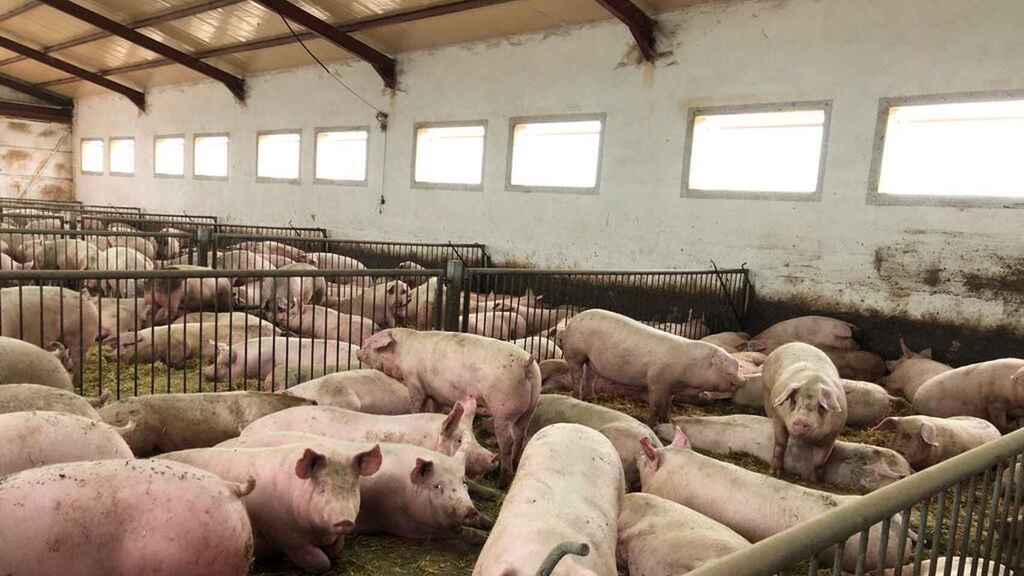
There are studies so that animal waste can be converted into natural fertilizers with the least amount of ammonium..
“There are many options on the table but to get to them those who have to sit down are those who know about this sector., real expert people, that does not seek to eliminate and criminalize intensive livestock farming, but to help it move towards a more sustainable model that, besides, must be profitable, because farmers also have to eat”, indicates path.
Ecologists and ecologists
This rancher believes that it is necessary for citizens to know that “an ecologist is not the same, who is a scientist who dedicates his life to the study of natural systems”, with the environmental movements that, in your opinion, “They are an ideological beach bar that has little or nothing to do with preserving the environment, but they live very well off subsidies instead of studying and working on more sustainable models for our ranchers”.
The sector is immersed in a war between new trends linked to the rejection of the consumption of products of animal origin., and those who defend that without meat protein, “the human being would have become extinct”, as says Limia.
So, the zamorana shared the poster in the past 26 of July with 235 experts in this sector from 20 different countries, who participated in a symposium under the title 'Livestock and Environment: the perfect relationship to achieve sustainability', in which the present and future of this activity was analyzed in the face of the demands of the Agenda 2030.
Among the exhibitors, the intervention of the Dr. Rodrigo Arias, academic at the Institute of Animal Production of the Faculty of Agricultural and Food Sciences of the University of Chile.
Arias stated without reservation that “All scientific evidence to date indicates that animal meat, essentially fat, constitutes the cornerstone of what the human being is today”.
This director of the doctorate in Agrarian Sciences at the Austral University of Chile, assures, besides, what “The demonization of red meat was based on a hypothesis that has never been proven and on a science - nutritional epidemiology.- with a low level of scientific evidence and a certain level of bias”.
A debate related to the so-called 'food revolution'’ o food-tech, that not only applies technology and IOT (Internet of Things) to look for more sustainable crops and livestock, but it opens the door to a consumption model that includes 'steaks’ vegetables and insects as snacks.
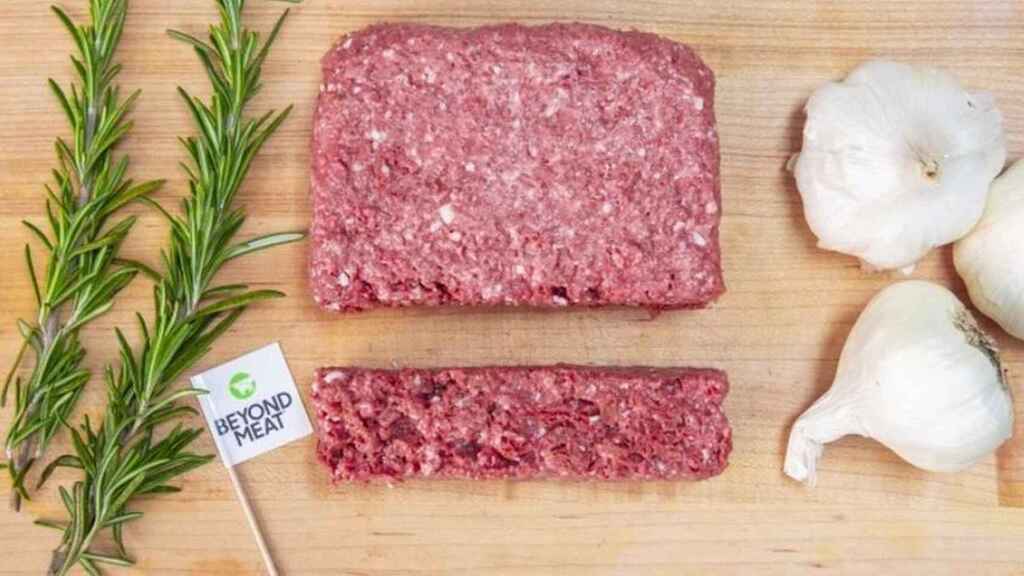
The so-called vegetable meat is already marketed in the US
It is a market that would radically change food (and its industry) as the human being has known it throughout his existence, and that international markets already predict that it will reach a value of 32.000 millions of dollars in 2025.
Taking into account that the FAO calculates that in 2050 will have to produce a 70% more food to feed a population that is expected to reach the 9.100 millions of people, and that traditional food depends on the consumption of increasingly scarce water, The debate arises much deeper than the one that these days has been limited to macrofarms yes or macrofarms no.