Where does your interest in livestock come from??
I was born in a family that had nothing to do with livestock., Although I have always wanted to be linked to livestock. When I had the opportunity to visit friends of my parents who were ranchers, That was my best vacation for me..
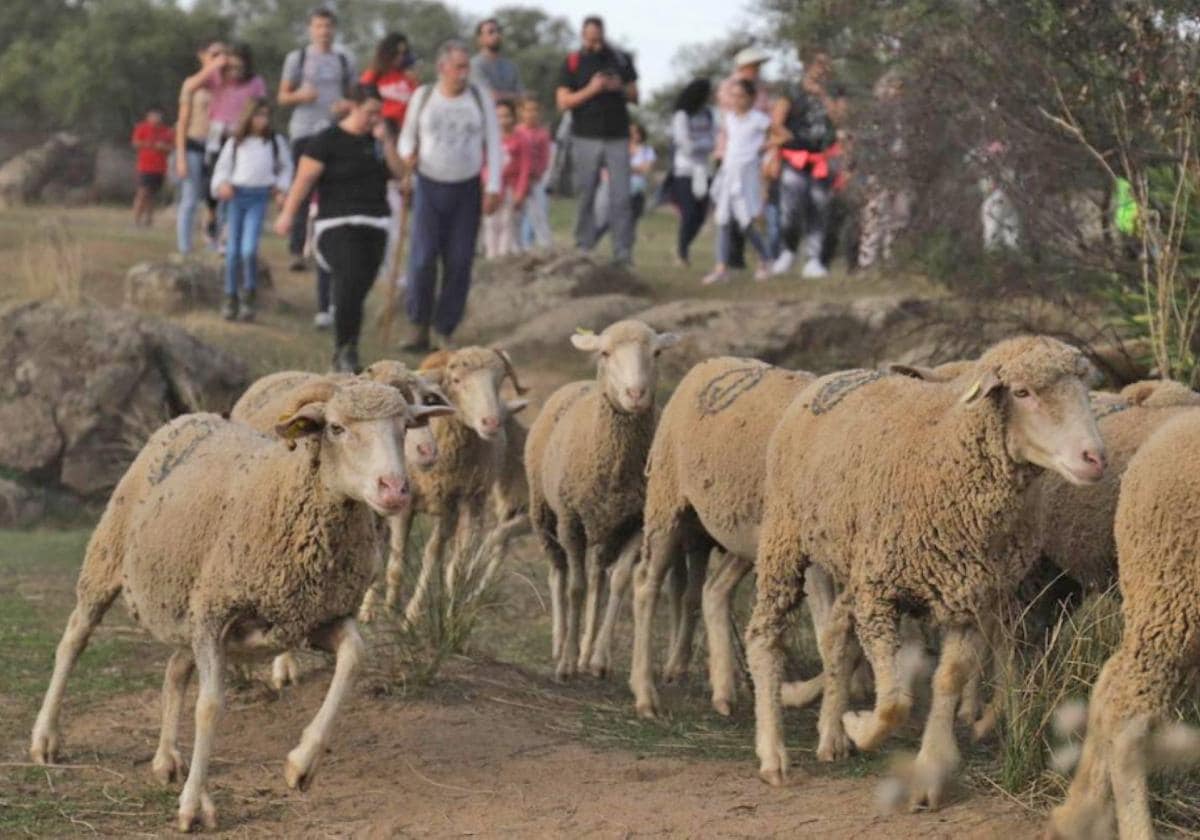
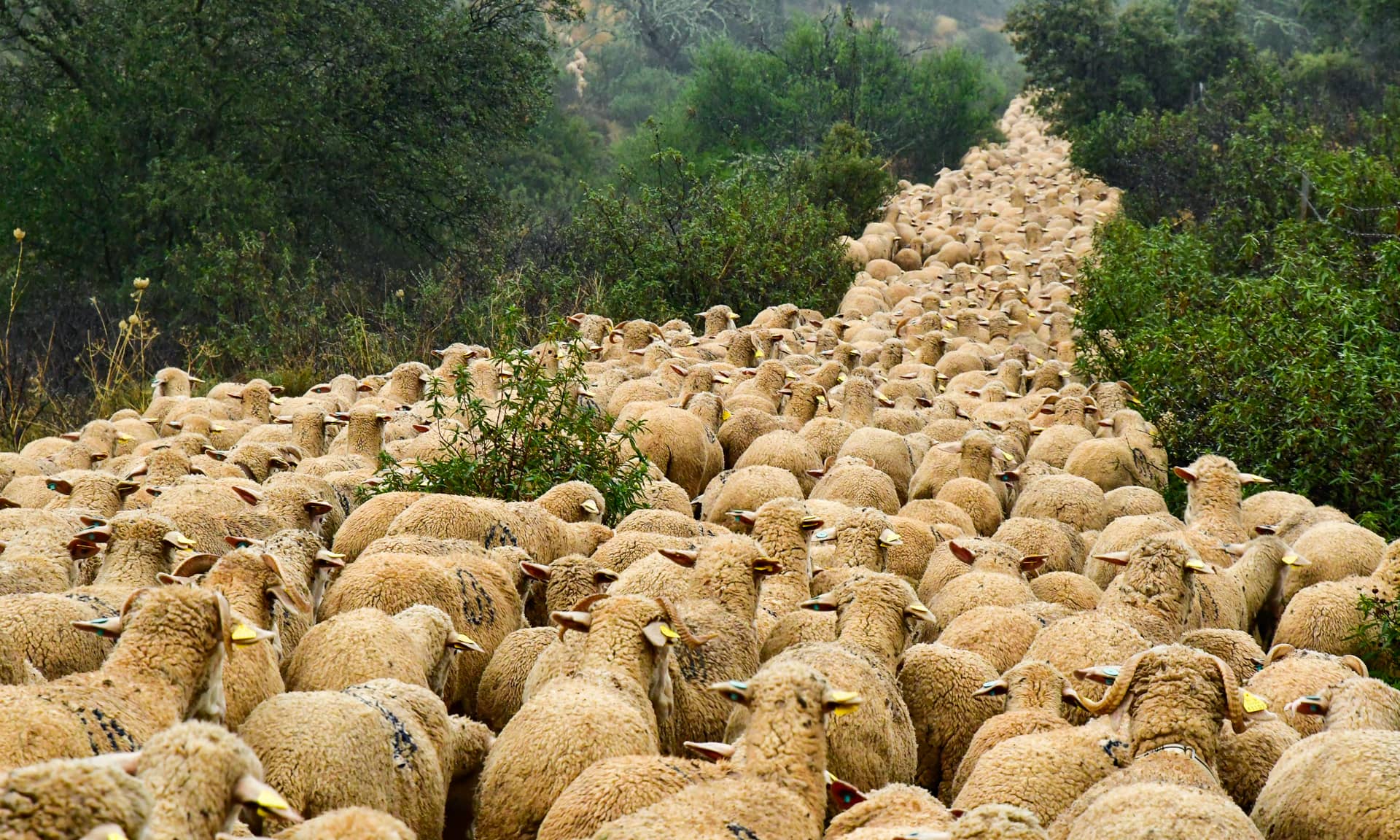
As a little girl I remember seeing the transhumance of Merino sheep pass by the Roman bridge of Zamora. I told myself that one day I had to be a herder of those magnificent marvelous sheep that passed over the bridge.. Every year they passed by again and I was once again faithful to the bridge railing to be able to watch them pass..
How long have you been in this profession??
In the livestock sector I have been working for more than 13 years, in different positions related but not directly focused on livestock. Firstly I was as director of the food industry, where there I already made contact with the ranchers, since my part was more focused on the production of quality meat and the management of what is a slaughtering industry.
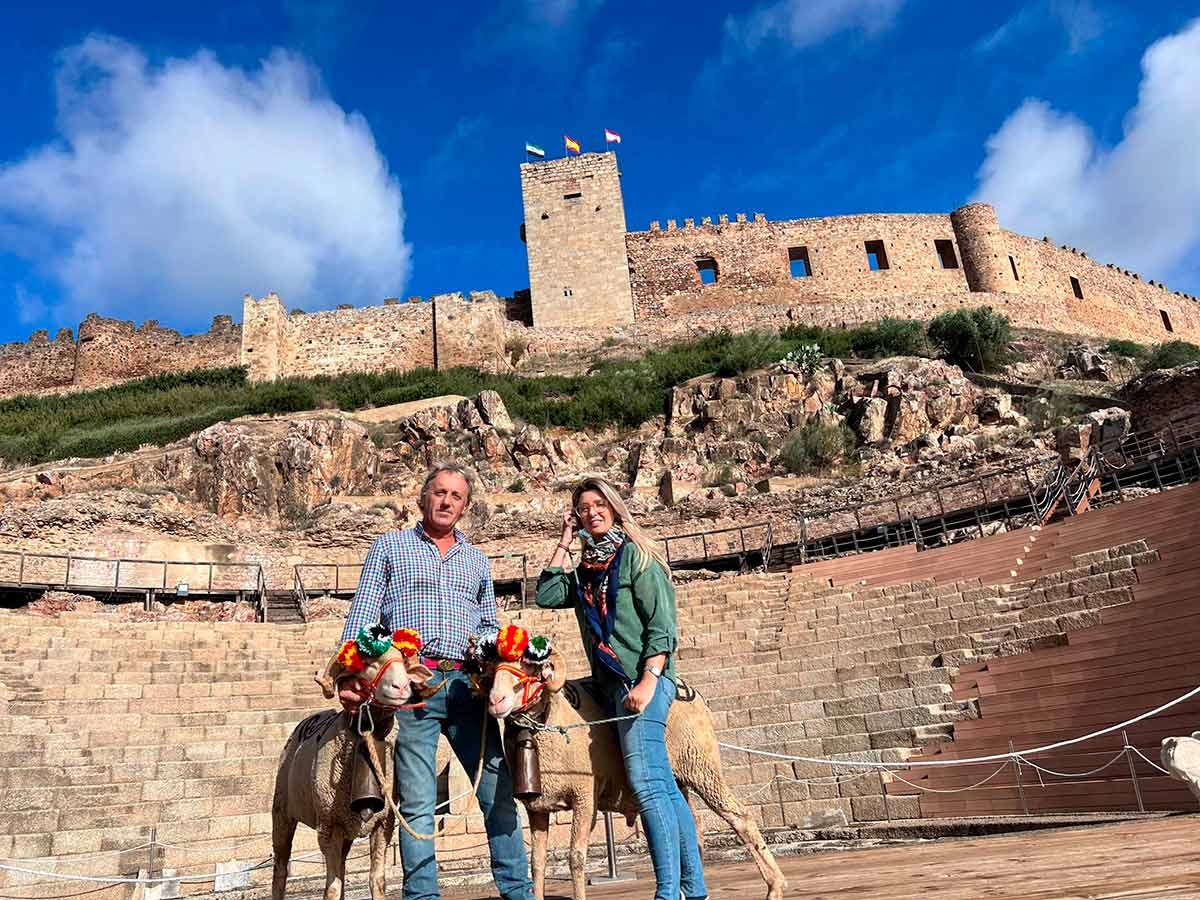
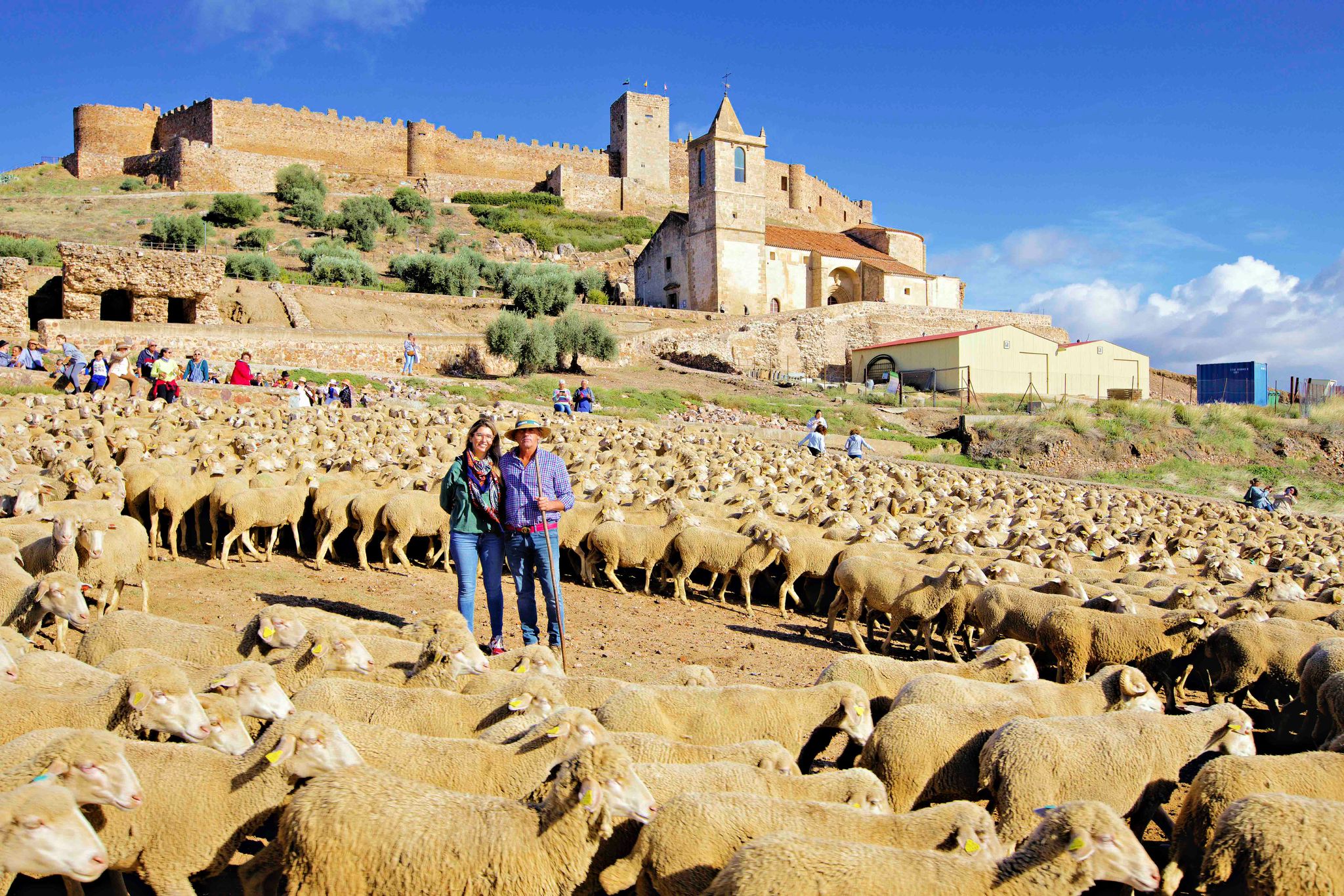
Later I went on to coordinate the group's agricultural and livestock projects. (merino, bovine, horse) and from there I began to work closely in the management of livestock farms. Also supporting producers in the marketing of beef and sheep for several years until I was finally able to join the family project of Ganadería Ortiz, as a main livestock farmer.
What do you like most about your job??
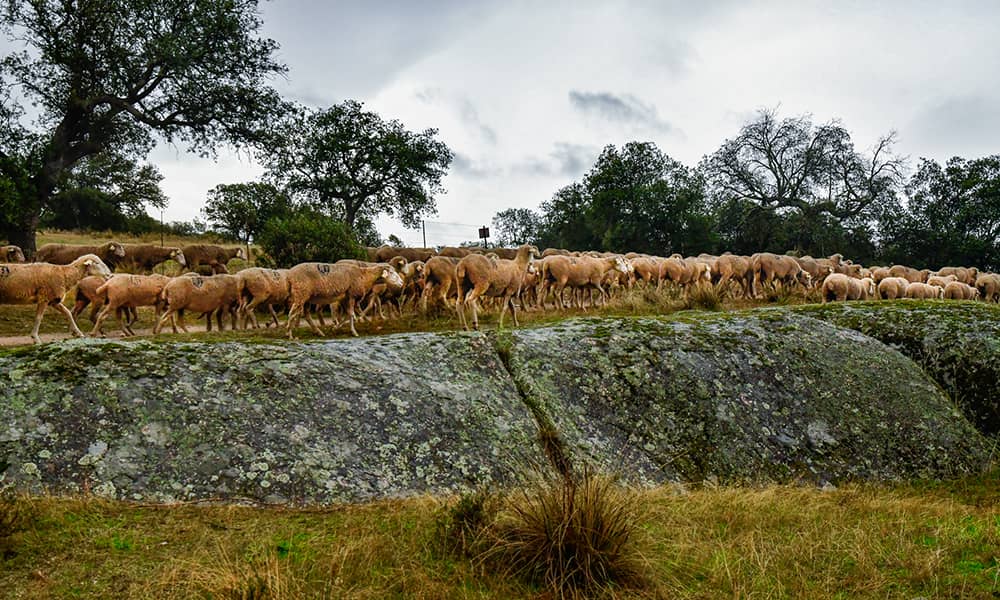
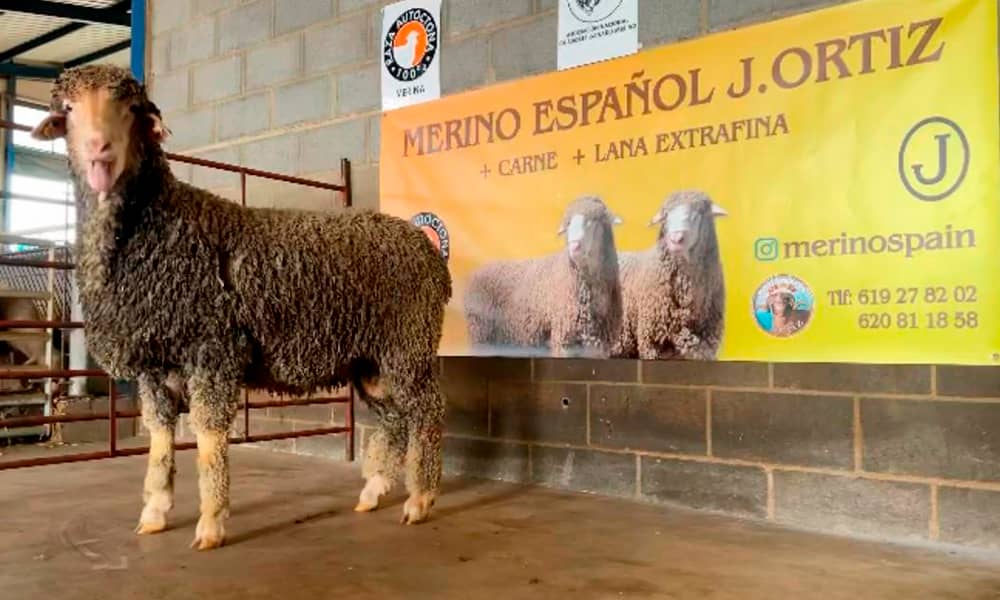
What I like most about my job is the contact with animals and being able to carry out my work in an environment such as the Dehesa Extremadura., carrying out activities as important as transhumance. It is also very important for me to protect and improve the Merino breed, the most important race at the level of genetic code that exists in practically the entire world, and that it is also ours.
Tell us your opinion about the current role of women in the livestock sector.
The role of women in the livestock sector, It is the role of any entrepreneur in a rural environment who wants to develop his work and life in a place or an area that, as we know, does not have the same rights or the same facilities that living in a city may have, for example..
I believe that any woman can be capable of carrying out any livestock work.. This is not a question of whether you are a man or a woman., It's a matter of capacity.. For what I have lived, I have not found those limitations that may exist in other sectors, or that “machismo” that is spoken of, because I have always understood the rural sector as a family sector, of equipment, where men and women work and support each other.
Finally, what would you say to young women who want to consider this profession??
Always bet on genetics, that they form a lot and that they are thrown into the mud, because it is a magnificent profession and there is nothing more worthy than a human being who can produce meat to feed society..
I would recommend that you make use of new technologies such as Digitanimal, to carry out traditional but innovative livestock farming and above all to be able to reconcile agricultural activity with family life, since ranchers also have the right to enjoy family and our free time.
Finally, I would encourage you to raise the flag of sustainability, since we are the young producers who are going to build sustainable livestock farming, demonstrating to society that livestock farming is an ally in the fight against climate change, and not the enemy as they want us to see.