
History of the Merino breed
This breed within the sheep species; which, Being “just” a native breed from the Spanish southwest, it has conquered the five continents, becoming the most important breed in the world and, not only because it is the one with the largest census in the world today, but also for its influence in the improvement and intervention in the creation of new breeds.
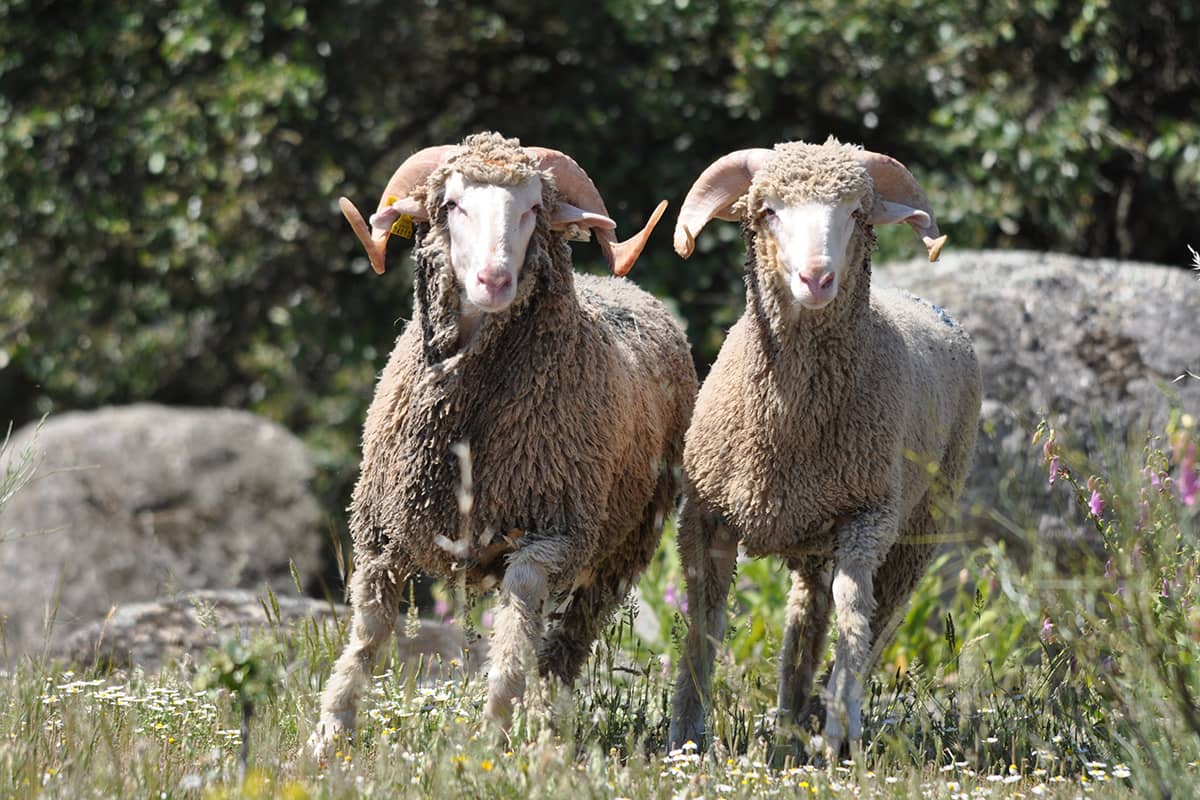

Conservation of the Merino Breed
The kings of Castile and León first, and then those of Spain, They cared for and ensured the conservation and development of a race that, by producing the best wool in the world, was a very important
national wealth. This broke when from 1700, The Crown began to give away specimens from the royal herd of El Escorial, as a means of establishing friendship or trade treaties with friendly nations ( Sweden, Saxony, Hungary, Prussia, France).
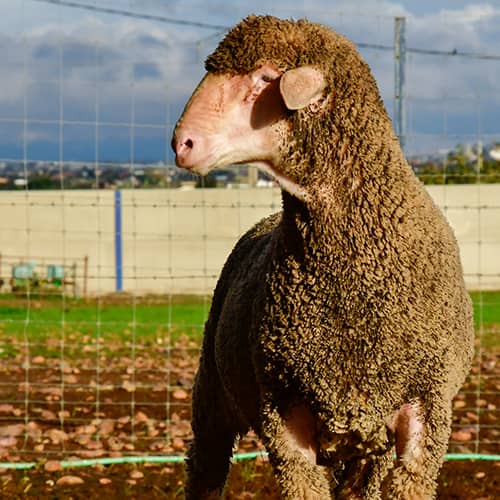
Merino breed as a means for peace treaties
The Spanish monopoly on the Merino sheep meant that during 5 years, The Republic could acquire a thousand sheep and a hundred merino rams annually. He did it secretly because his publicity would have tarnished his glory..
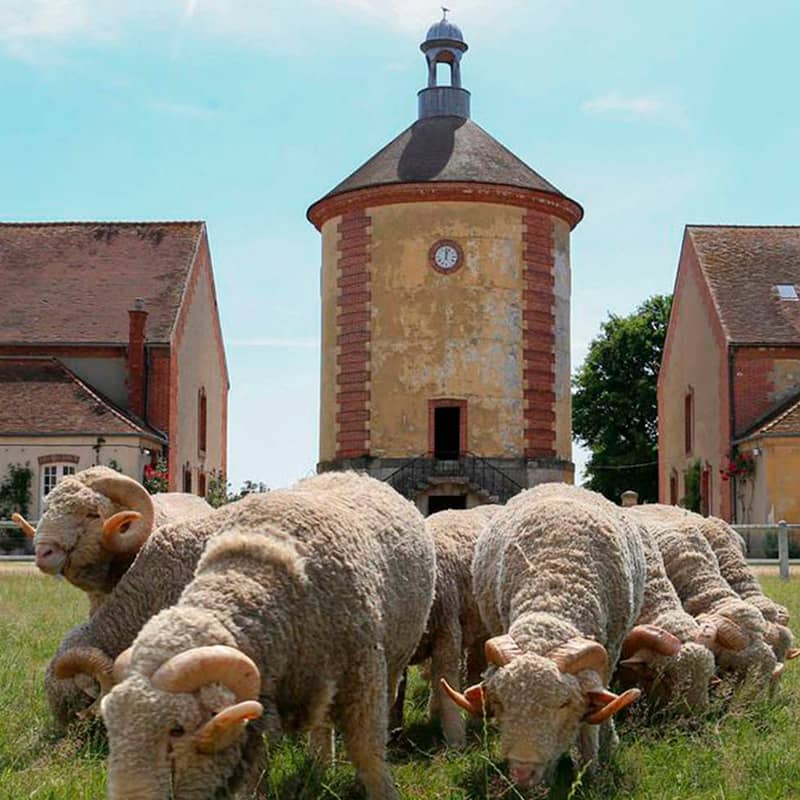
The National Sheepfold of Rambouillet
The Bergerie Nationale de Rambouillet was created in 1786 by Louis XVI , date of arrival of the flocks of Spanish sheep, It is a mixture of different flocks, which will become during the 19th century, in a unique breed: el Rambouillet merino
At the end of the 18th century, when the agronomic movement appeared that the apostles were so great gentlemen, we think of the Spanish sheep, or long, fine fleece merino. for a long time, our neighbors had jealously guarded this breed; but Louis XVI, close relative of the King of Spain, since the latter was, like him, little ... son of Louis XIV, you get to be able to acquire in the sheepfolds, o caravagnes, a herd of choice animals . in 1786, could meet near Segovia, 334 sheep, 42 rams and 7 sheep drivers collected in the kingdom of León. Spanish shepherds proposed to bring the flock to Rambouillet. Despite the length of the trip, they just got lost 16 sheep and 2 rams. This was the starting point of the national herd ".
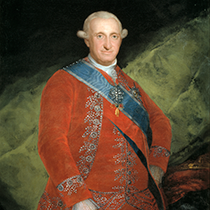
Peace treaty signing
Charles IV included in the peace treaty signed with the French Republic a secret clause that led to a massive departure of members of the Merino Breed, thereby losing the monopoly situation that Spain had had in the production of Merino wool.. With the arrival in Australia and other countries in the Southern Hemisphere, The Merino Breed finds a more favorable habitat, Therefore, in the following years, these areas occupied the main center of development of the breed..
Production of the Merino Breed
Merino Breed Production
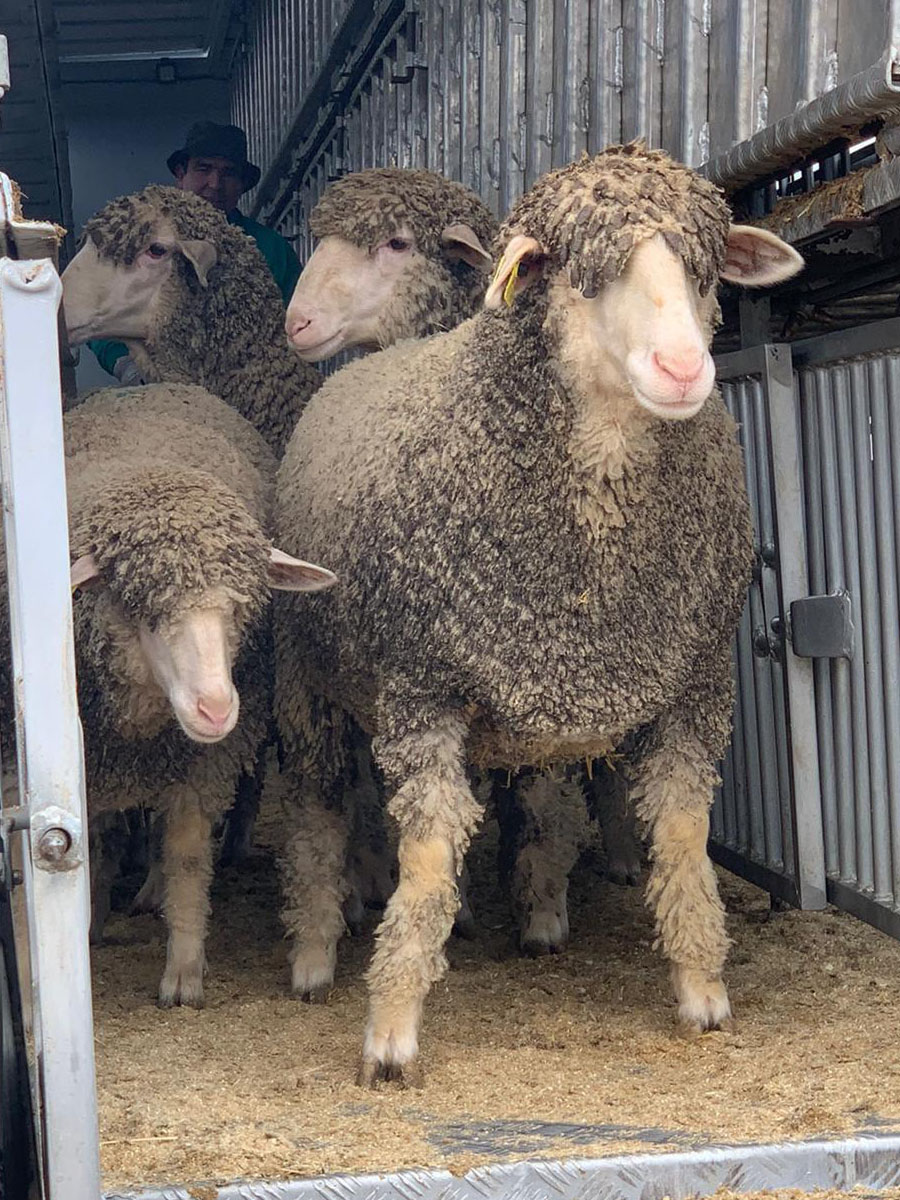
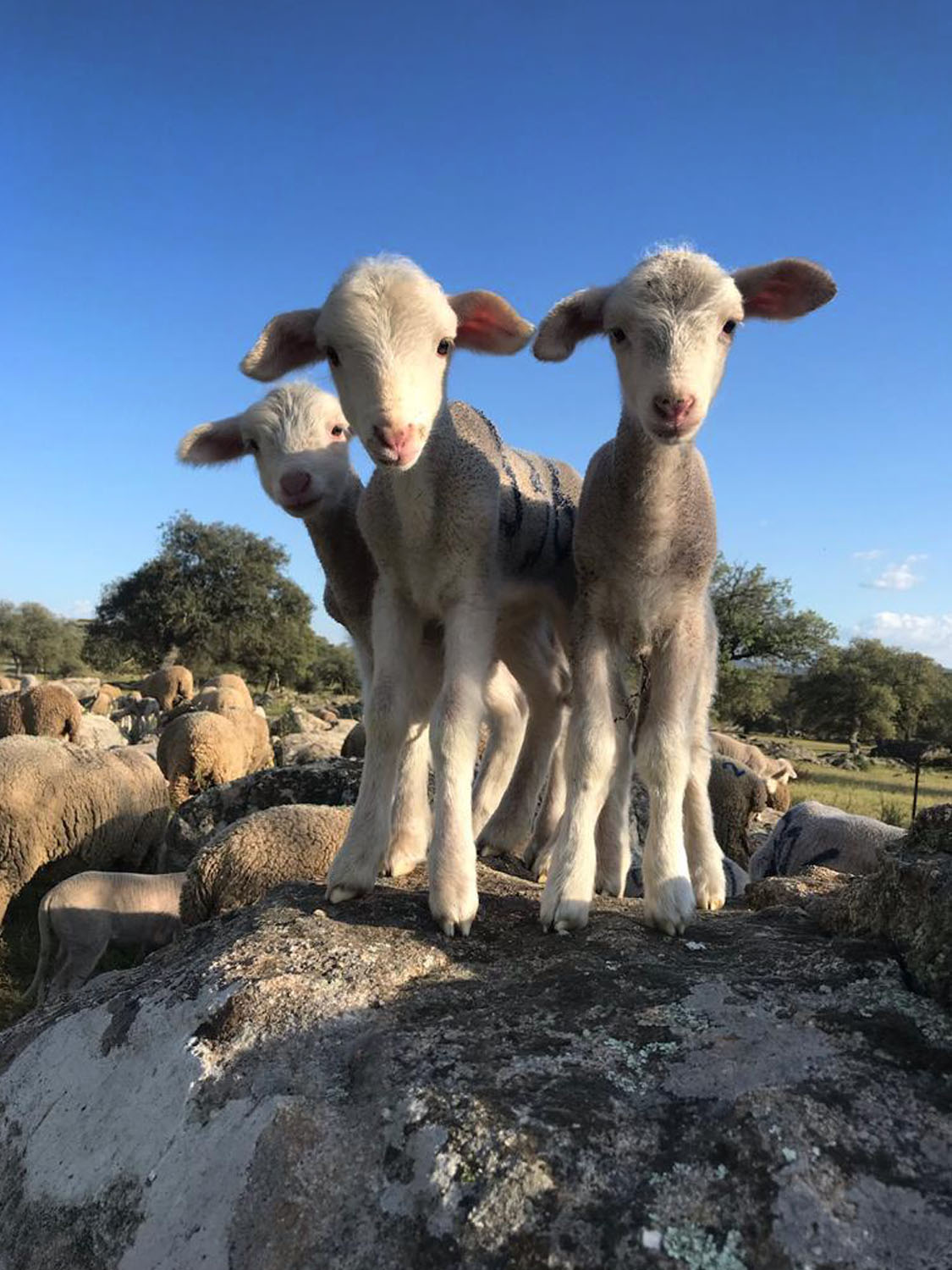
Historically the Merino breed has been exploited for the production of fine wool, but currently in Spain, meat production is its main objective, without forgetting some areas like La Serena where it is also exploited for its dairy production.. Therefore, trained for wool production, meat and milk of the best quality, The Merino Breed allows diversifying the economy of sheep farms
Wool Production
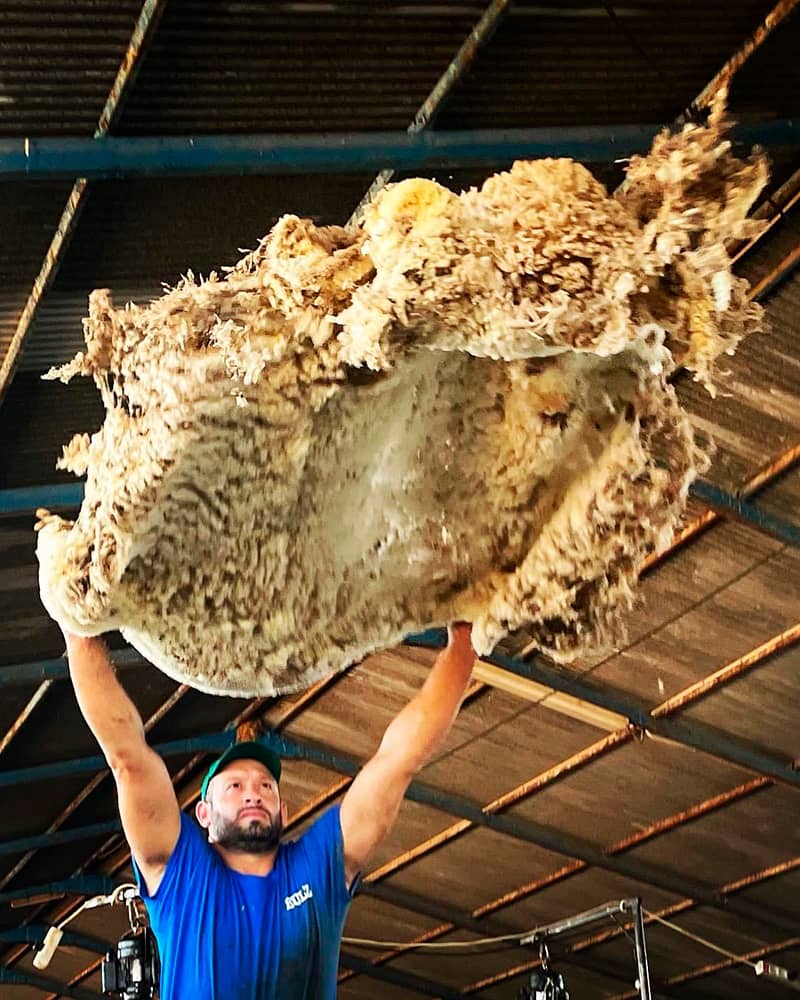
Fleece constitutes the most distinctive production of the Merino breed. The structure of the skin contributes to this differentiation as a consequence of the atrophy of primary follicles and increase in secondary follicles., with a concentration of these close to 60-80 follicles/cm2 , This aspect marks the differences with other races in which the concentration of secondary follicles is 12 a 28 follicles/cm2.
This situation results in a high density of the fleece, and great fiber uniformity. The wool fibers are grouped together forming rectangular wicks whose tips are held together by the binding action of the suarda., configuring a characteristic drawing of the fleece with a closed and compact appearance.
Another characteristic of the woolly fiber is its fineness., main basis of selection of the Merino Breed in other times, and differentiating element compared to other races. In addition, Merino wool fiber stands out for the number of waves and elasticity. The best suits in the world without a doubt, They have been made with wool from Merino sheep.
Although the consumption of sheep meat is low if it is related to the total meat, For the consumer, sheep meat has an image of a natural product., ecological, healthy and with great sensory qualities and does not have, in your opinion, as many health or fraud problems as are assumed in other species. Due to its price and the relationship between the purchased product and the consumable product, it can be considered “a luxury meat.”, which, highlights the importance of quality.
This type of meat is frequently used to serve special situations., in which demand takes quality into account more than price and, stands out compared to other species, because this is one of the meats that has the least religious prohibitions since it, except the buddhists (they don't eat meat), all practitioners of the world's main religions can consume sheep meat.
In Castilla y León the Merino lamb is slaughtered at a young age, immediately after weaning as a suckling pig (10-12 kg live weight), but in Extremadura, Andalusia and Castilla La Mancha is slaughtered after a short period of fattening as ternasco (20- 30 kg live weight), although it also allows the production of heavy fattened lamb as other countries demand (35-40 kg live weight) of excellent quality, because it is a late fattening breed, because of which, allows higher slaughter weights with unsurpassed quality.
Meat Production
Mutton
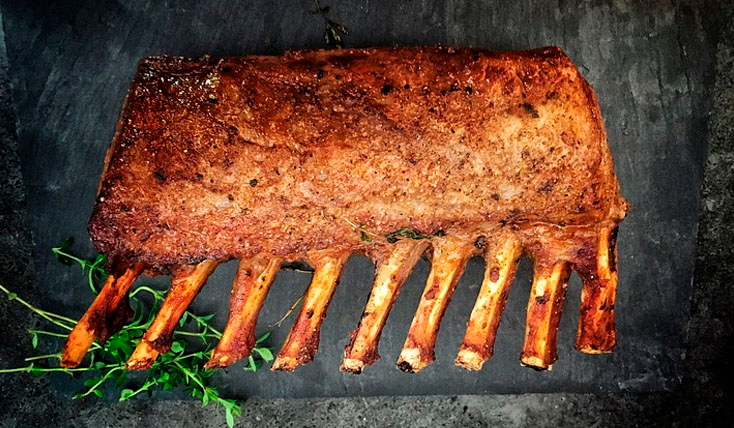
Merino lamb is the main sheep meat produced in Spain.
Nutritional Value
Regarding nutritional value, everything that is related to the possible effect on health of the consumption of meat and, The proportion of fatty acids in the diet is very important for the health of the consumer. So, fat from pasture-raised lambs, typified as paschal type lamb, whose extensive production is closely linked to the Merino Breed, It has many beneficial nutritional characteristics such as: meat with important contributions of omega fatty acids 3, with an omega 6/omega ratio 3 optimal and enriched with antioxidant and anticancer compounds such as beta-carotene, vitamin E and CLA.
Milk Production
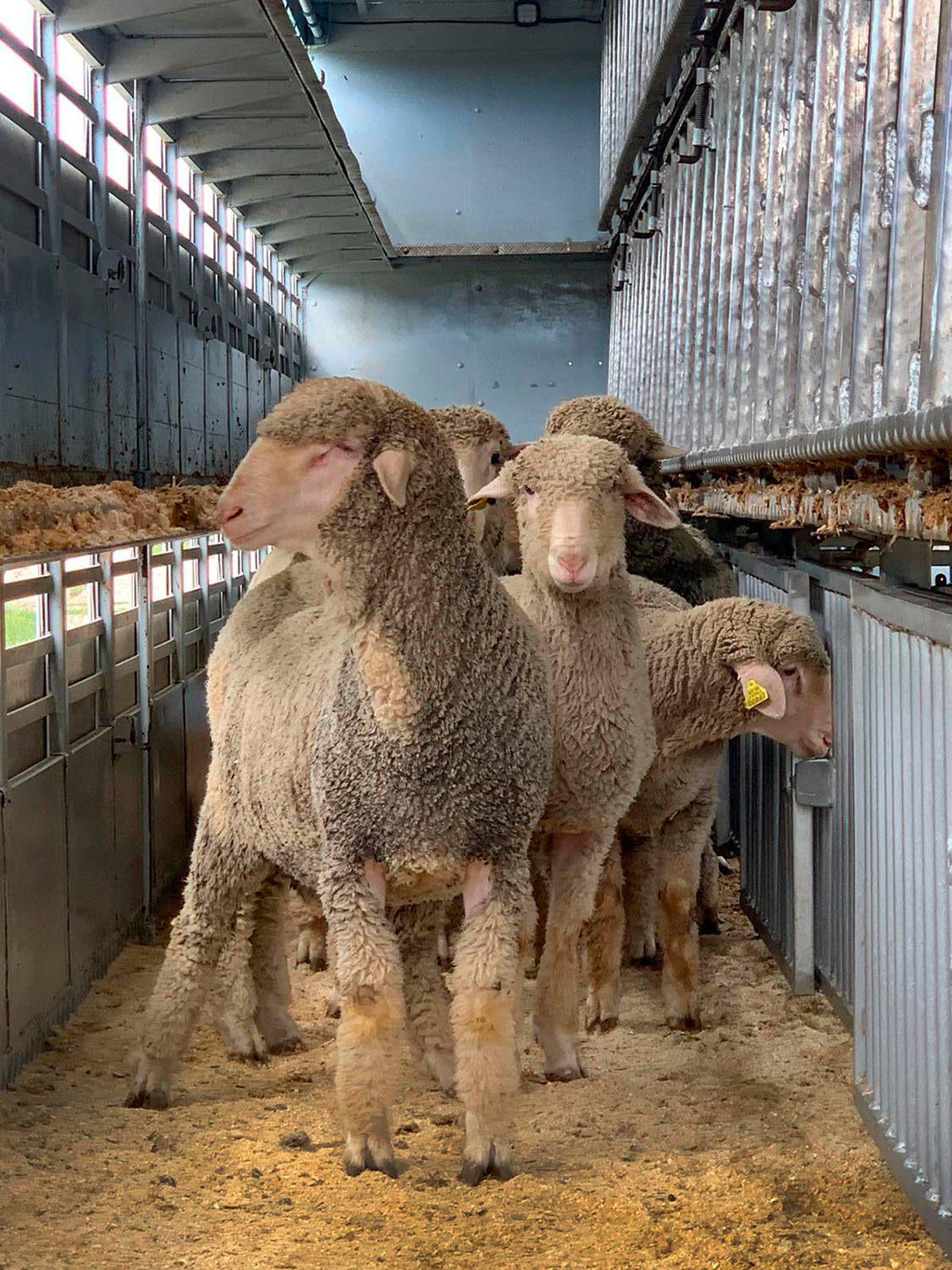
Our appreciated Merino sheep, traditionally exploited in an extensive regime, without any other food than that obtained from grazing, had low milk production, even insufficient to feed the young in its first age. In this regard, it is worth remembering the use of the practice of “dubbing”, consisting of sacrificing a large number of offspring, in order to assign two mothers to each of the surviving lambs. Milking was limited to a small number of farms over a period of 15- 20 days, after the removal of the lambs, in order to obtain some cheeses for family consumption.
The milk obtained from milking is of supreme quality and, It could be said that “the milk of the Merino sheep is the perfume, “what the milk of other dairy breeds is to cologne water.”; for it, Merino sheep's milk is used to make cheese, In this sense, “Serena” type cheeses have acquired great fame for their high quality., "To marry", “Barros”, “Pedroches”, inter alia, obtained with Merino sheep's milk. In this regard, It should be noted that, in the different tasting tests carried out, in which the most important national cheeses have participated, and sometimes from other countries, “Torta de la Serena” cheese has always been in the top positions.