Interview with Merino Spain: Get to know our livestock heritage
From the section “what do you do?” from the website Knowing Agriculture and Livestock Project, we want to highlight initiatives that, in addition to sharing the objectives of this platform, They carry out their activities directly on the ground. On this occasion, Our first stop on this virtual trip through Spain takes us to learn about the work of livestock farming Merino Spain, reference in the promotion of merino sheep.
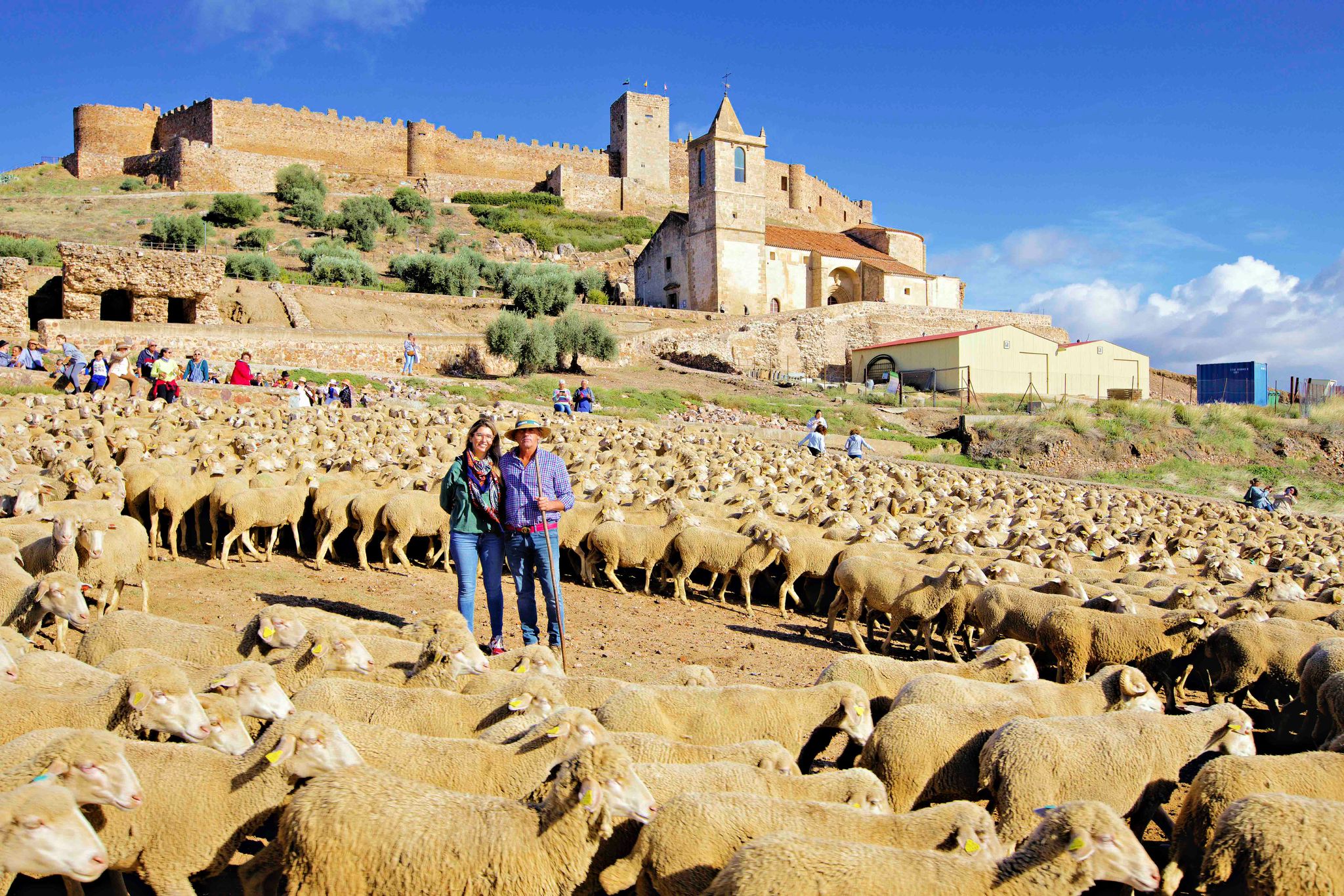
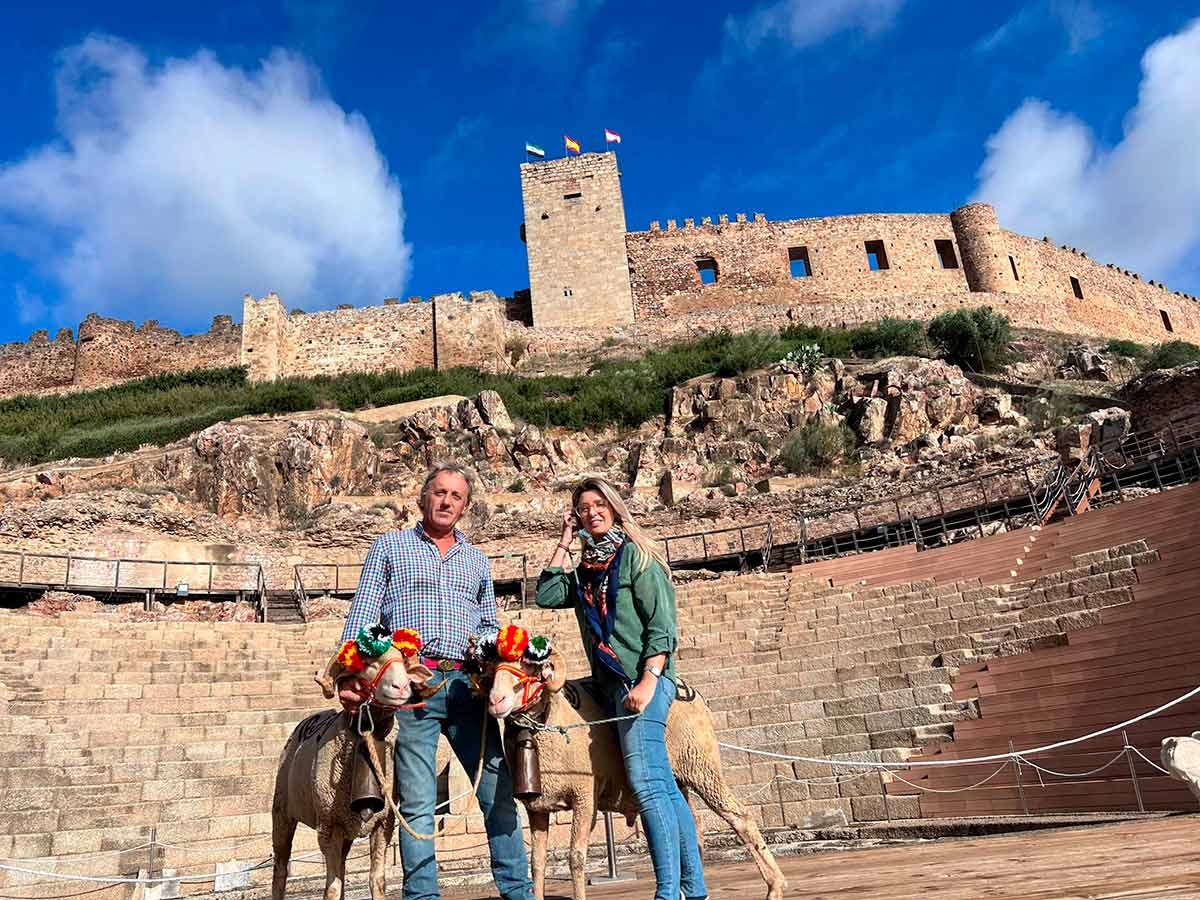
The municipality of Medellín, north of the province of Badajoz, It is known for its outstanding monumental heritage. However, It can also boast a rich agricultural and livestock heritage., thanks to the work of more than 80 years of Merino Spain. To learn more about this livestock, We spoke with Camino Limia, main manager together with Joaquín Ortiz.
What does Merino Spain do??
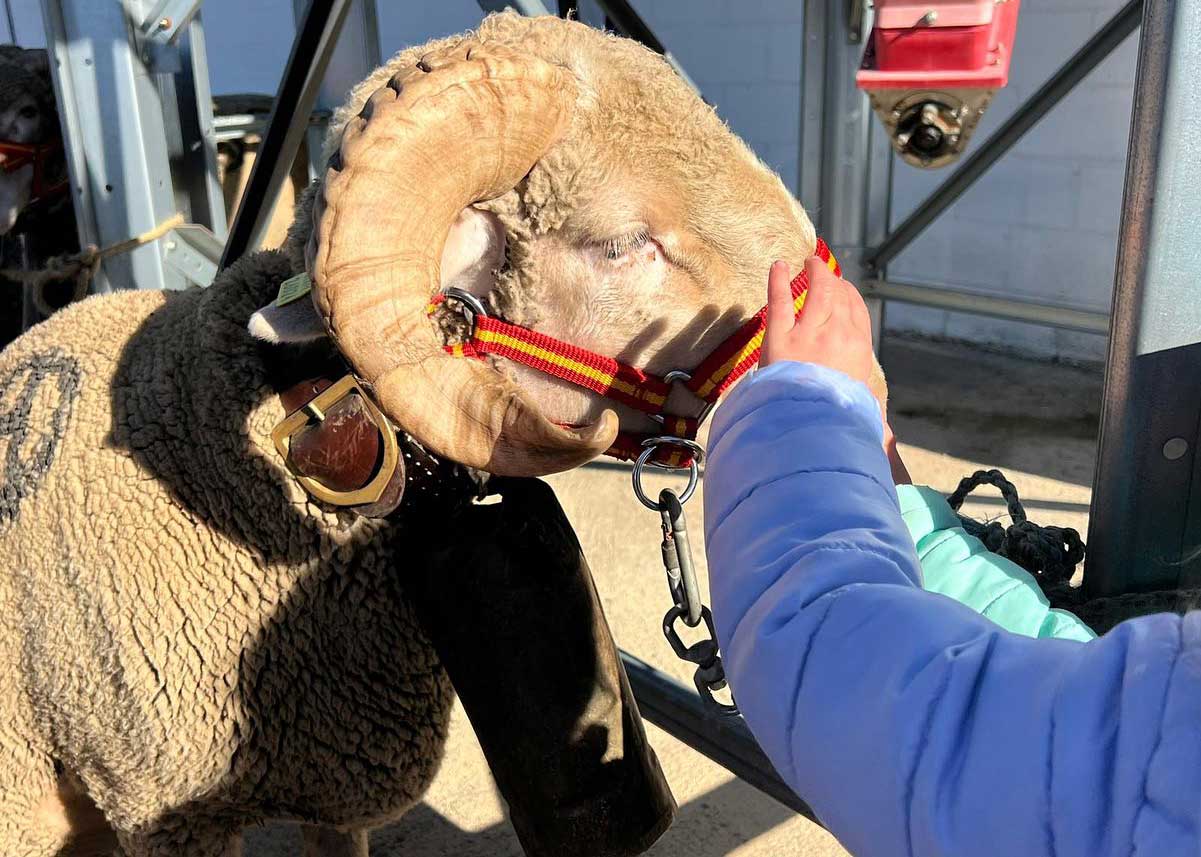
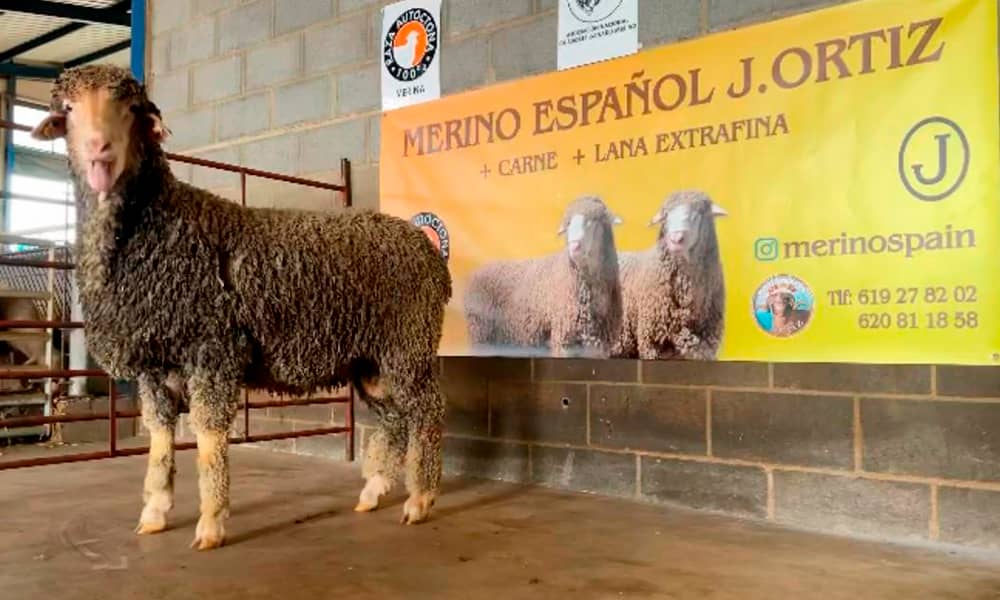
Merino Spain It is mainly dedicated to pure breeding of Merino sheep., a breed whose genetic base comes from the Hidalga lineage, originally from León. This genetics, widely recognized in Spanish merino farms, has allowed Merino Spain develop your own genetic line. This line, registered in the book of the Merino Breed and considered an improvement, has 4.300 breeding sheep and markets both sheep and rams in Spain and abroad.
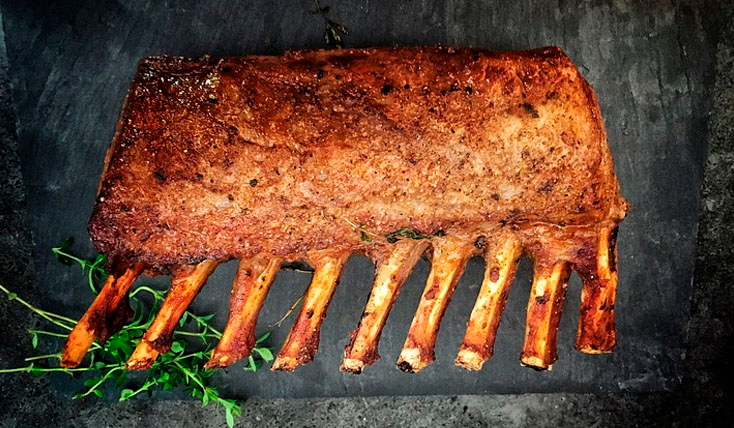
The objective of this livestock farm is twofold: produce high quality wool and develop animals with good meat aptitude, allowing them to supplement their income by selling lambs in a difficult wool market.
Showing the world of the merino sheep
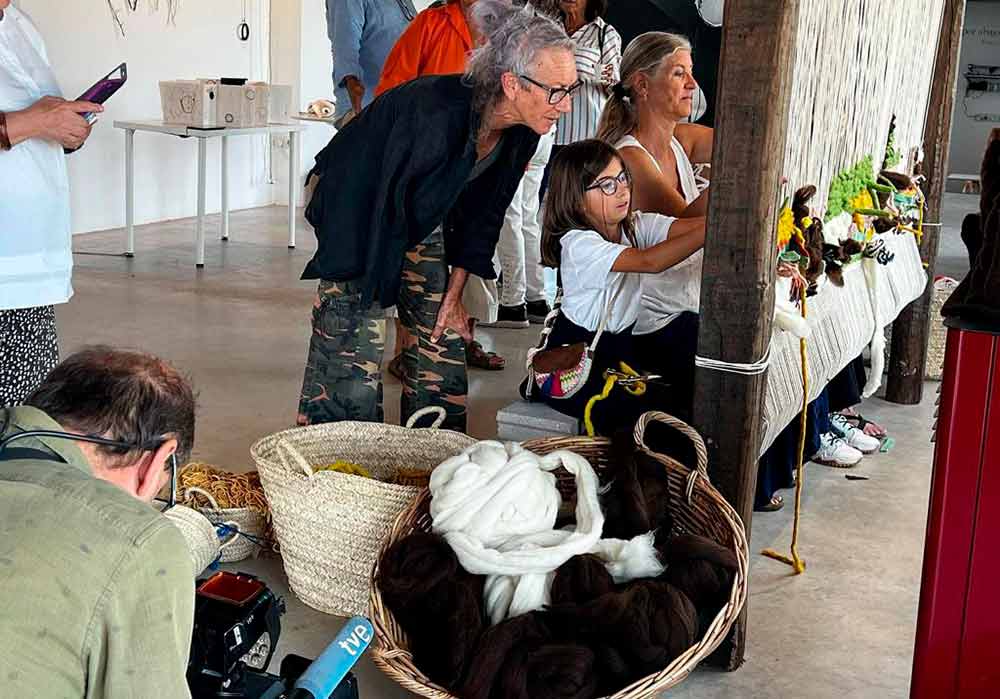
Joaquín is constantly aware of the animals and Camino in addition to helping him, develops intense training activity, promotion and dissemination of everything that small ruminant farming entails, which has made her worthy of inaugurating the section “What do you do?”?”.
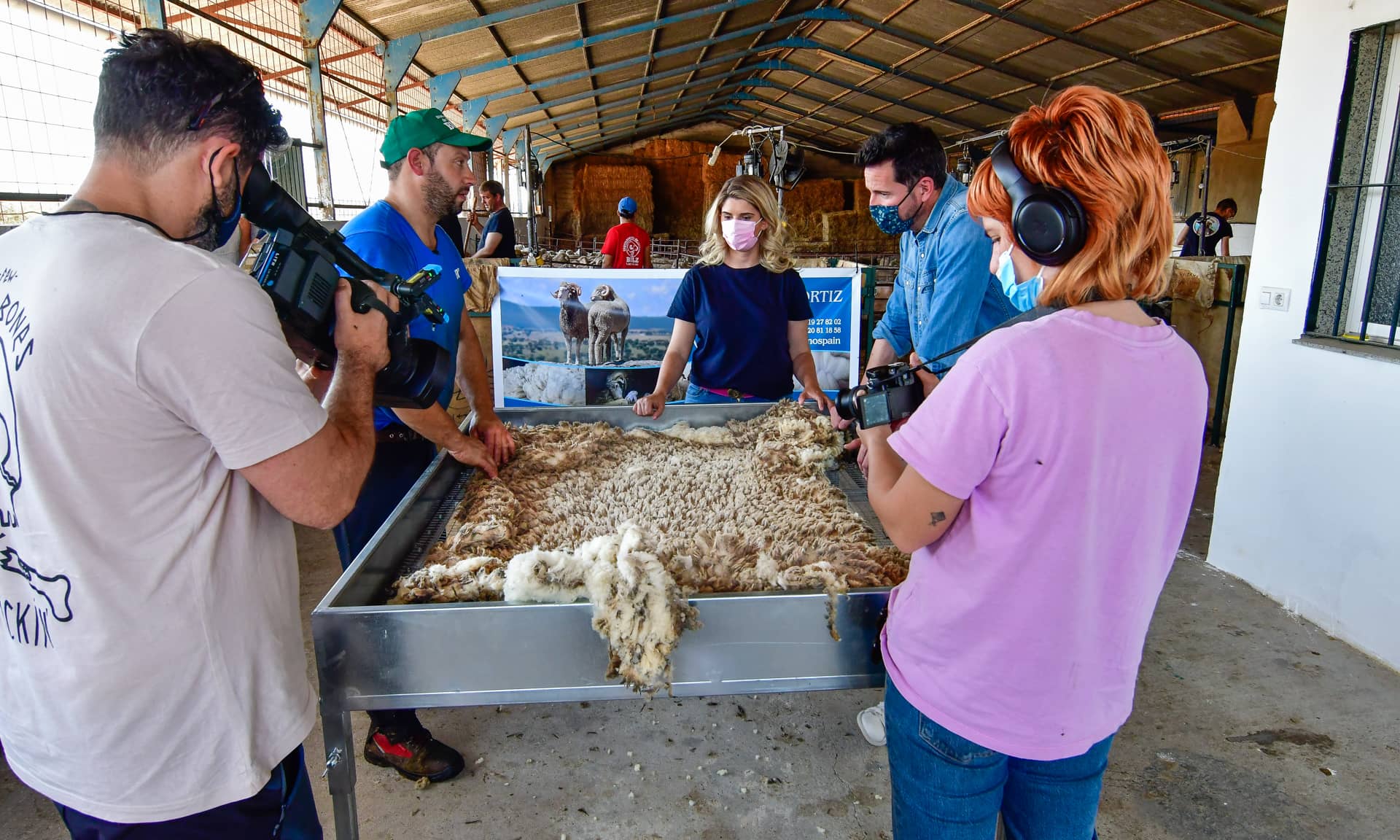
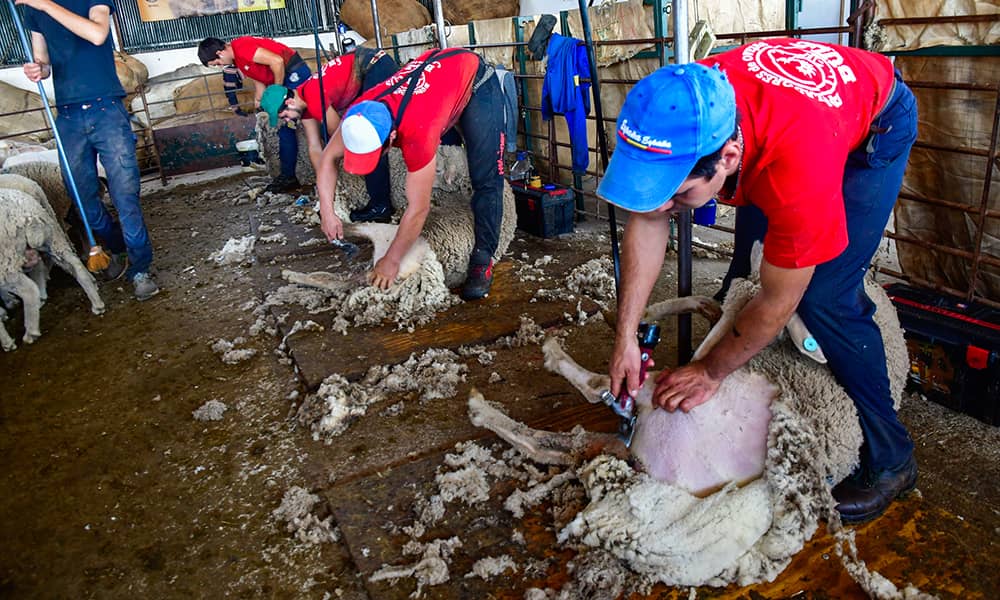
It can be said that it is a professional livestock farm that is very open to the world., since they regularly participate in international forums and events, in addition to organizing courses taught by globally accredited experts. Besides, they receive ranchers on their farm, technicians or students from all over the world, those who show livestock farming and the handling of animals at key moments such as shearing or farrowing. All this with the aim of making the sheep sector stronger and, in the words of Camino, “to give back all the knowledge he has acquired from other professionals”.
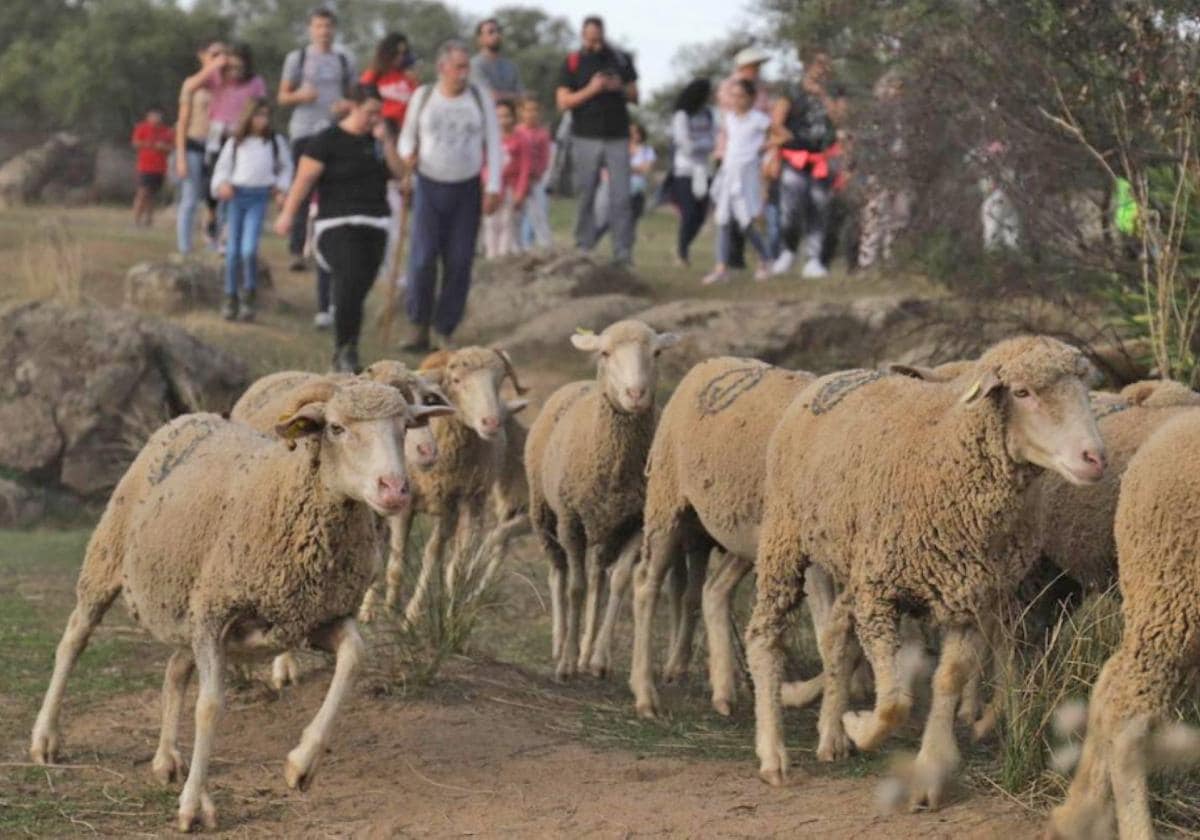
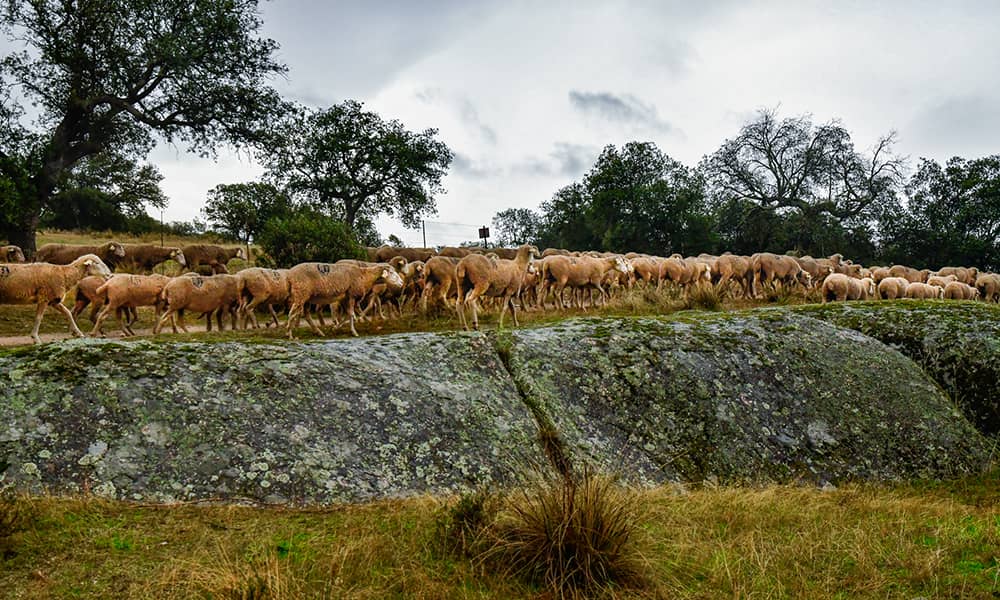
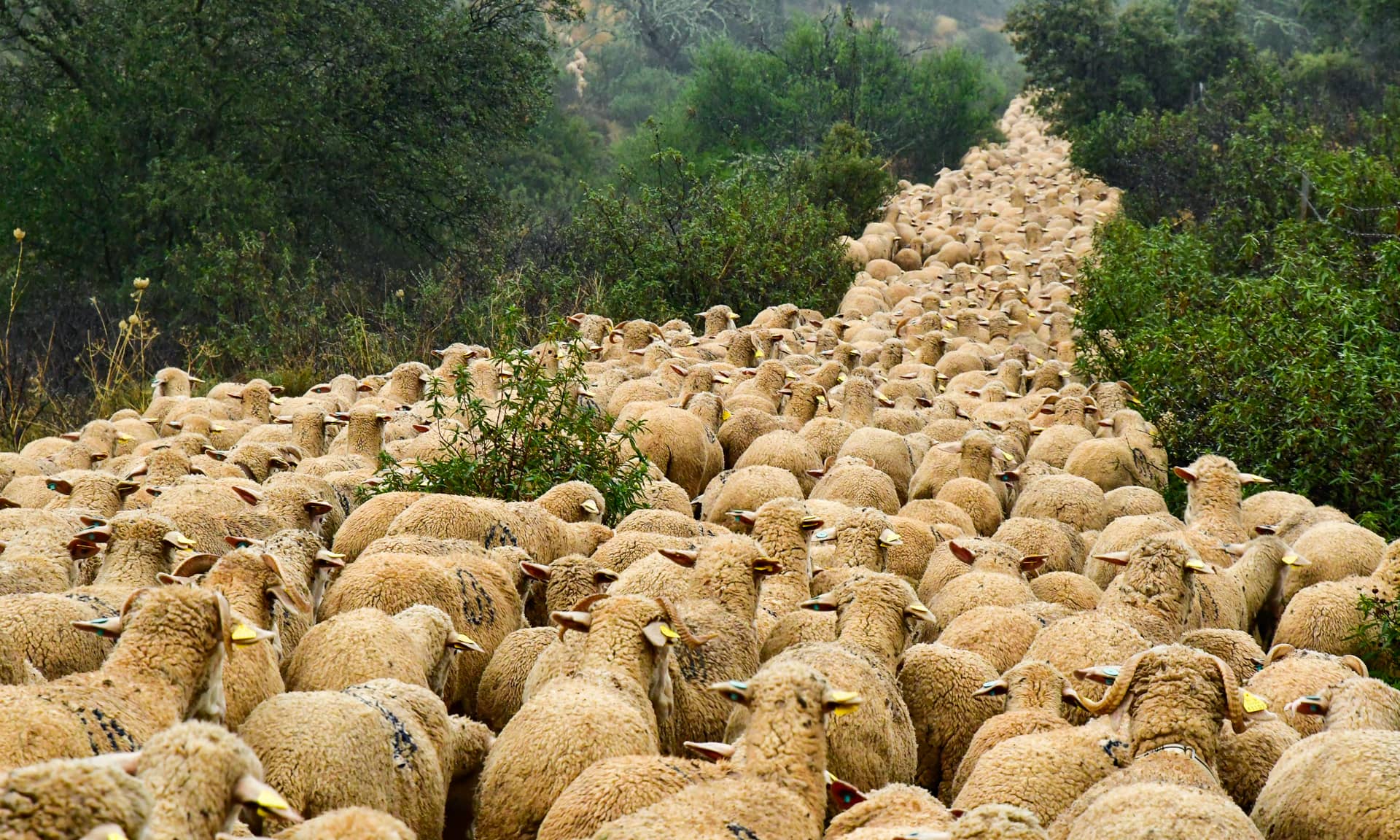
In “Merino Spain” They are also open to sharing and showing the reality of transhumance to all types of people.. Really, what they do is transterminance, that is to say, short trips (some 20-30 km) so that their sheep can take advantage of the available food, pastures or stubble, from the La Serena region to the Guadiana valley. To organize the two routes they offer, presented in Fitur as a tourist resource, They have the collaboration of the local councils in the area.
Camino aims for this activity to be more than just a walk in the middle of nature for participants.; To this end, they strive to demonstrate that transterminance is a sustainable activity., that makes the most of grazable resources and promotes biodiversity. Yes indeed, It implies a very sacrificed life for the ranchers, whose daily life and that of their families is linked to the needs of animals.
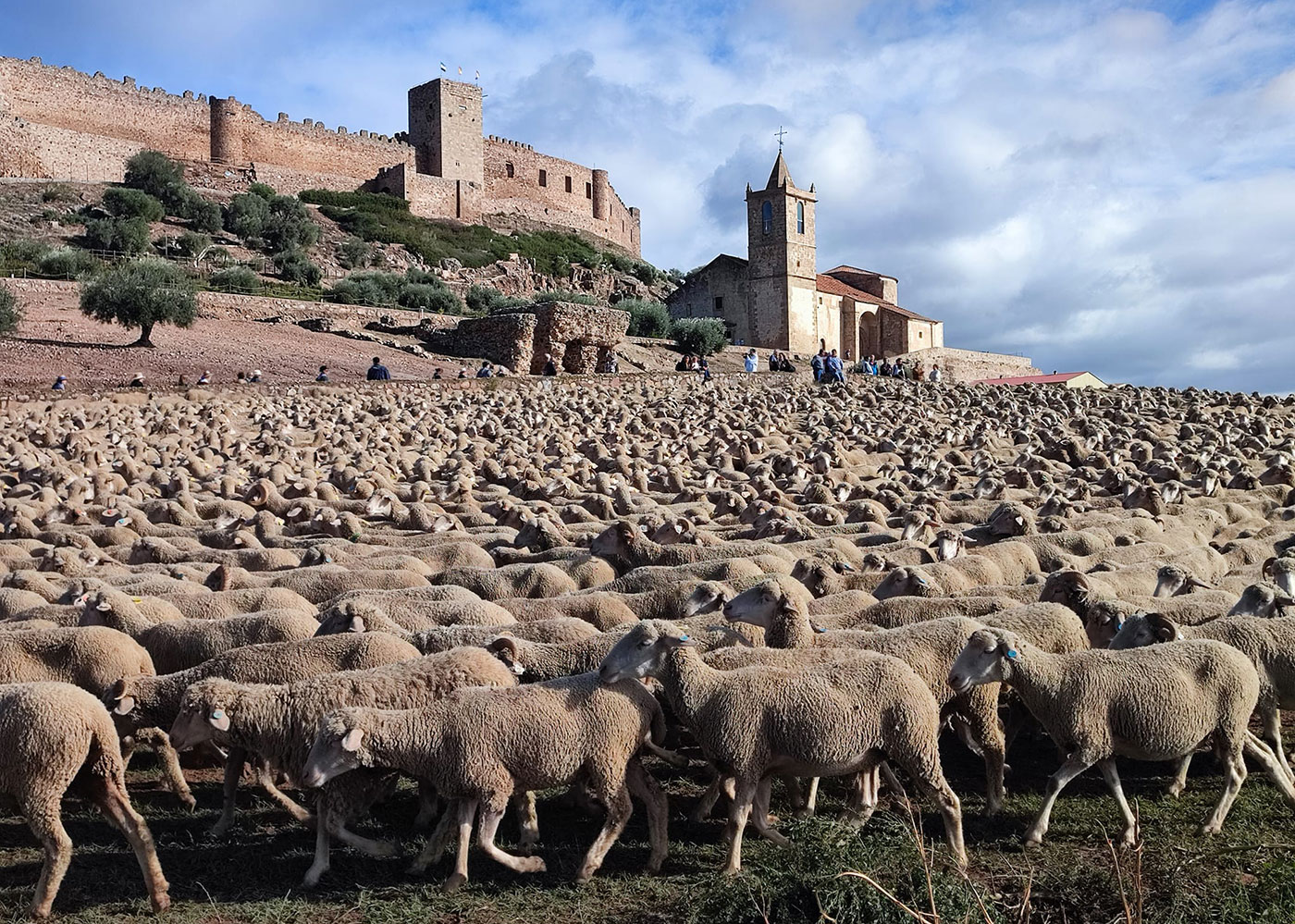
The “Merino Tours” have attracted more than 300 people from all over the world. in the photo, Merino sheep crossing the Guadiana over the Austrias Bridge (s. XVII) heading to the town of Medellín.
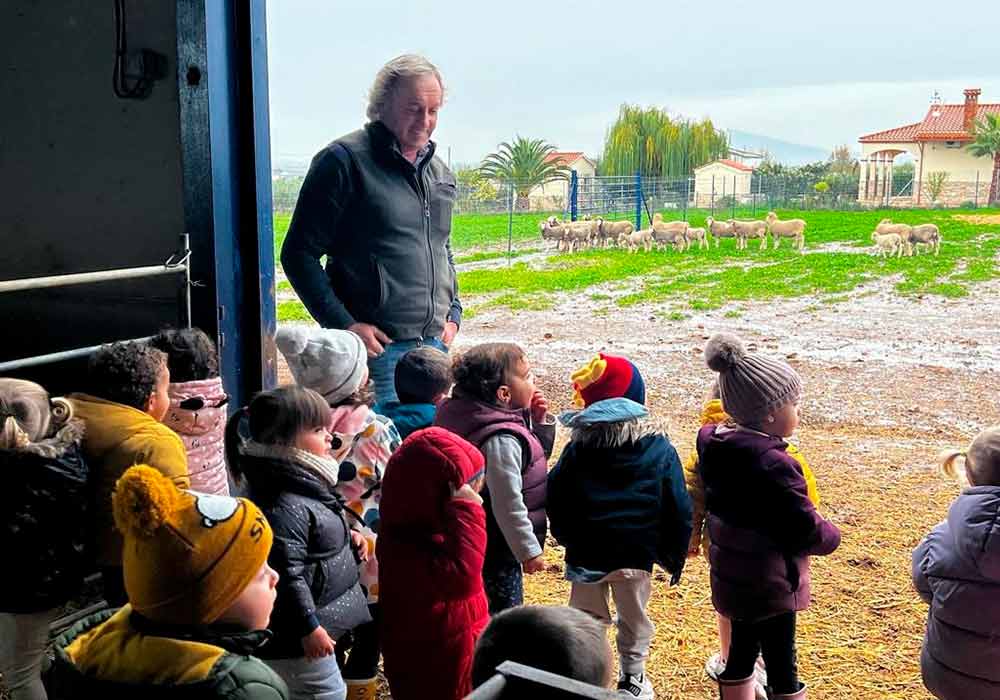
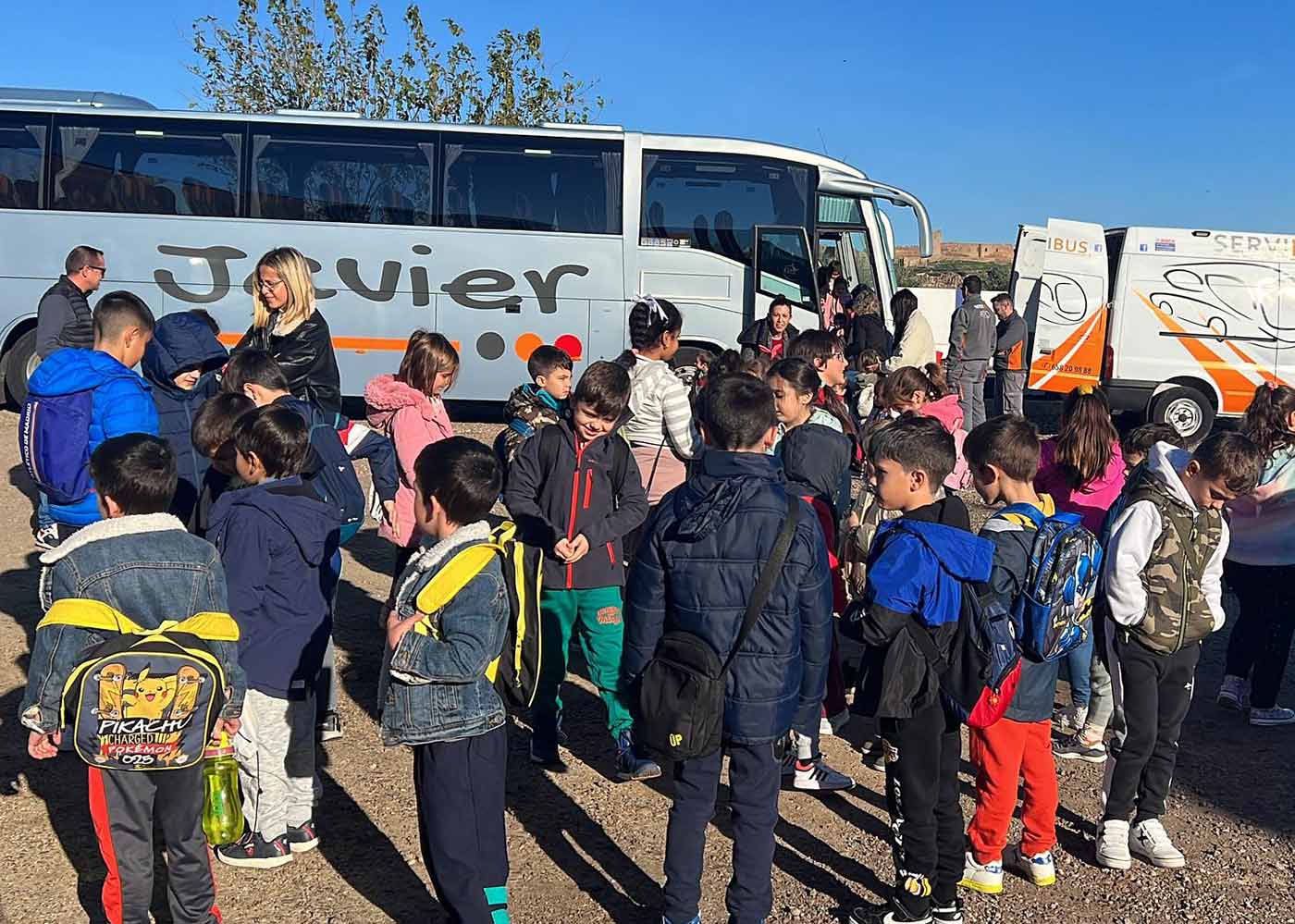
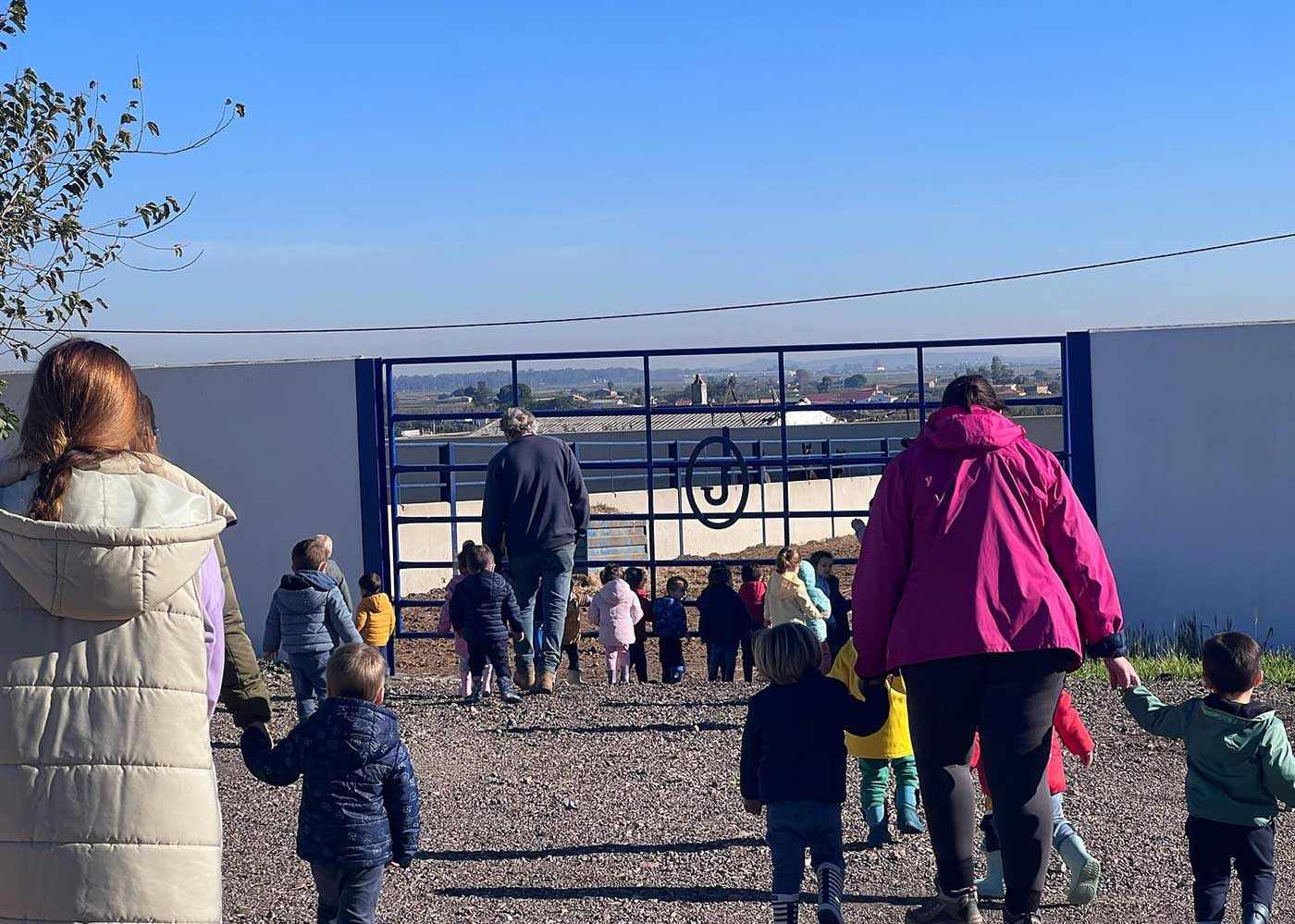
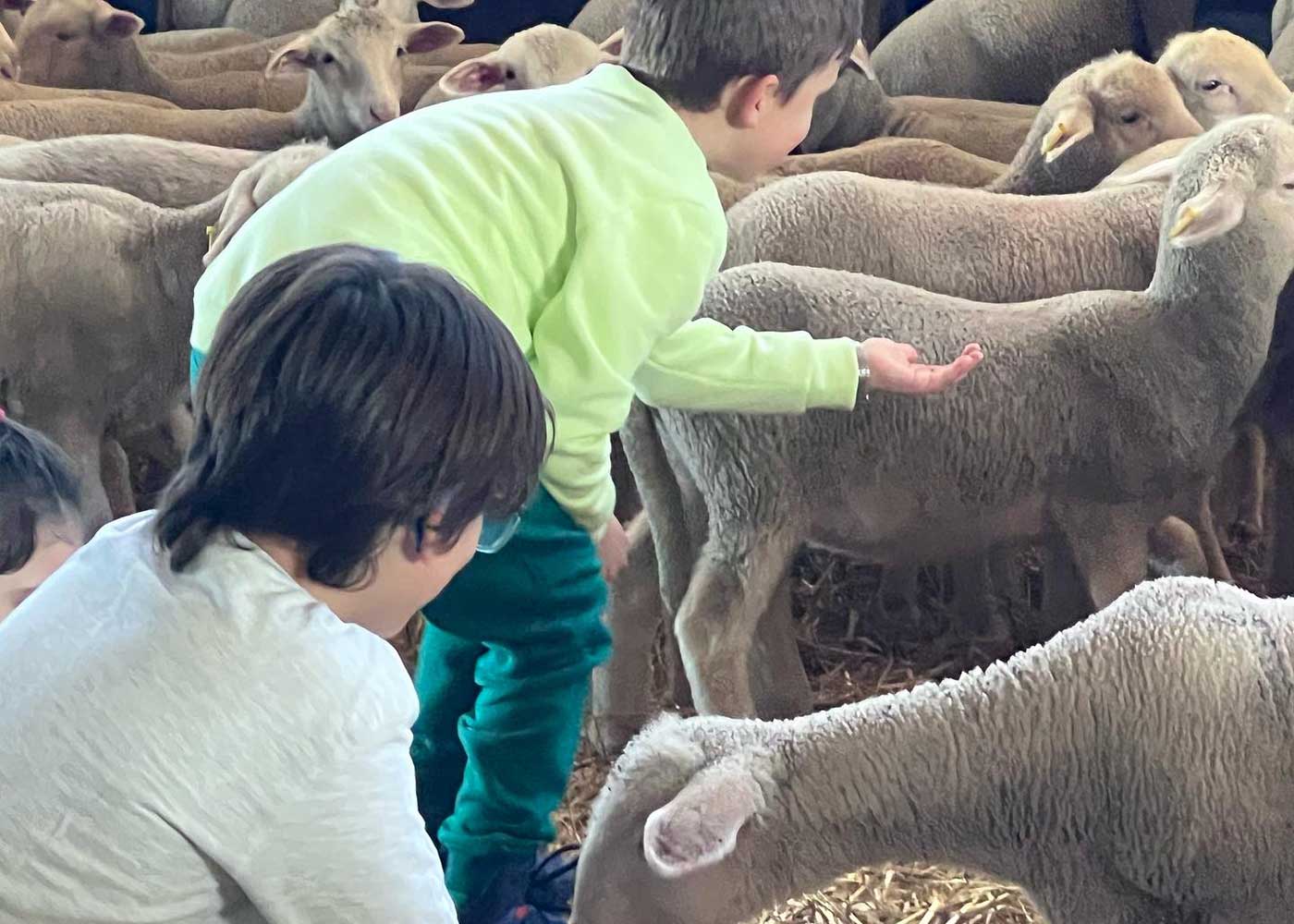
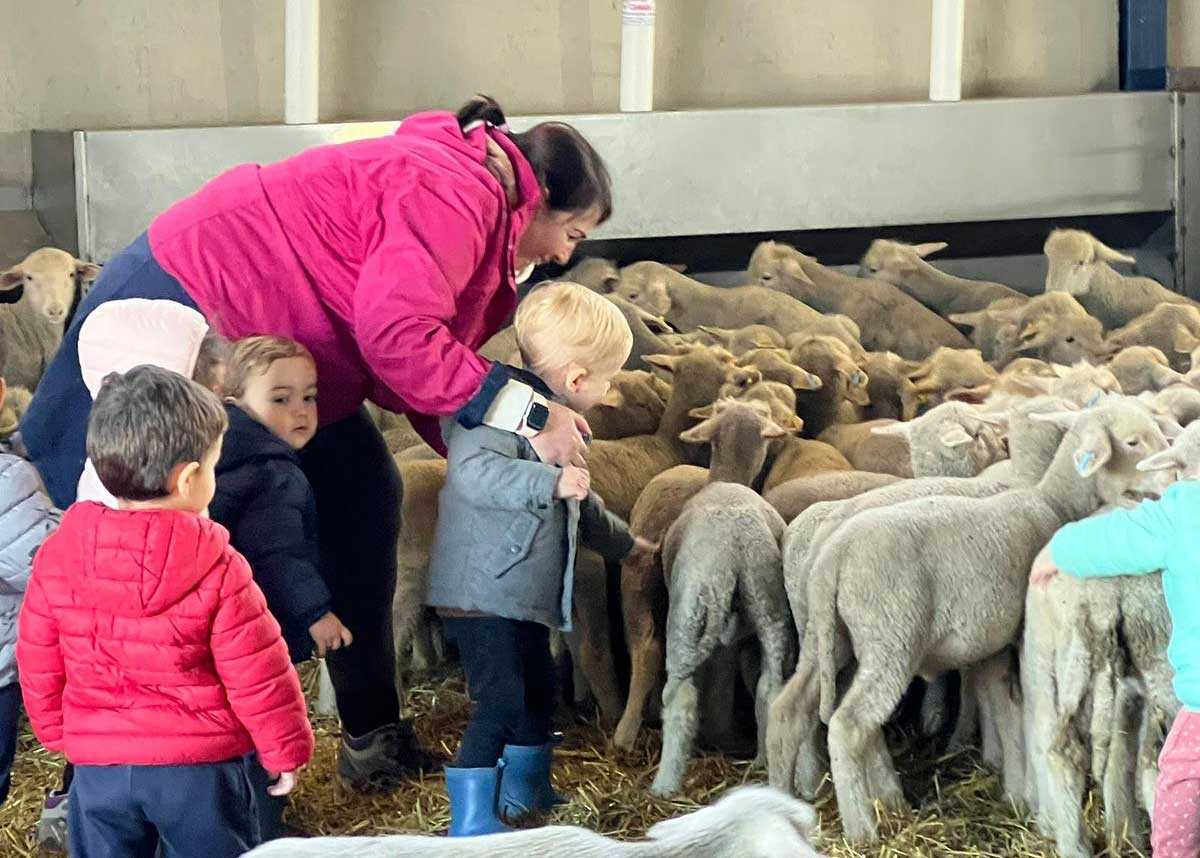
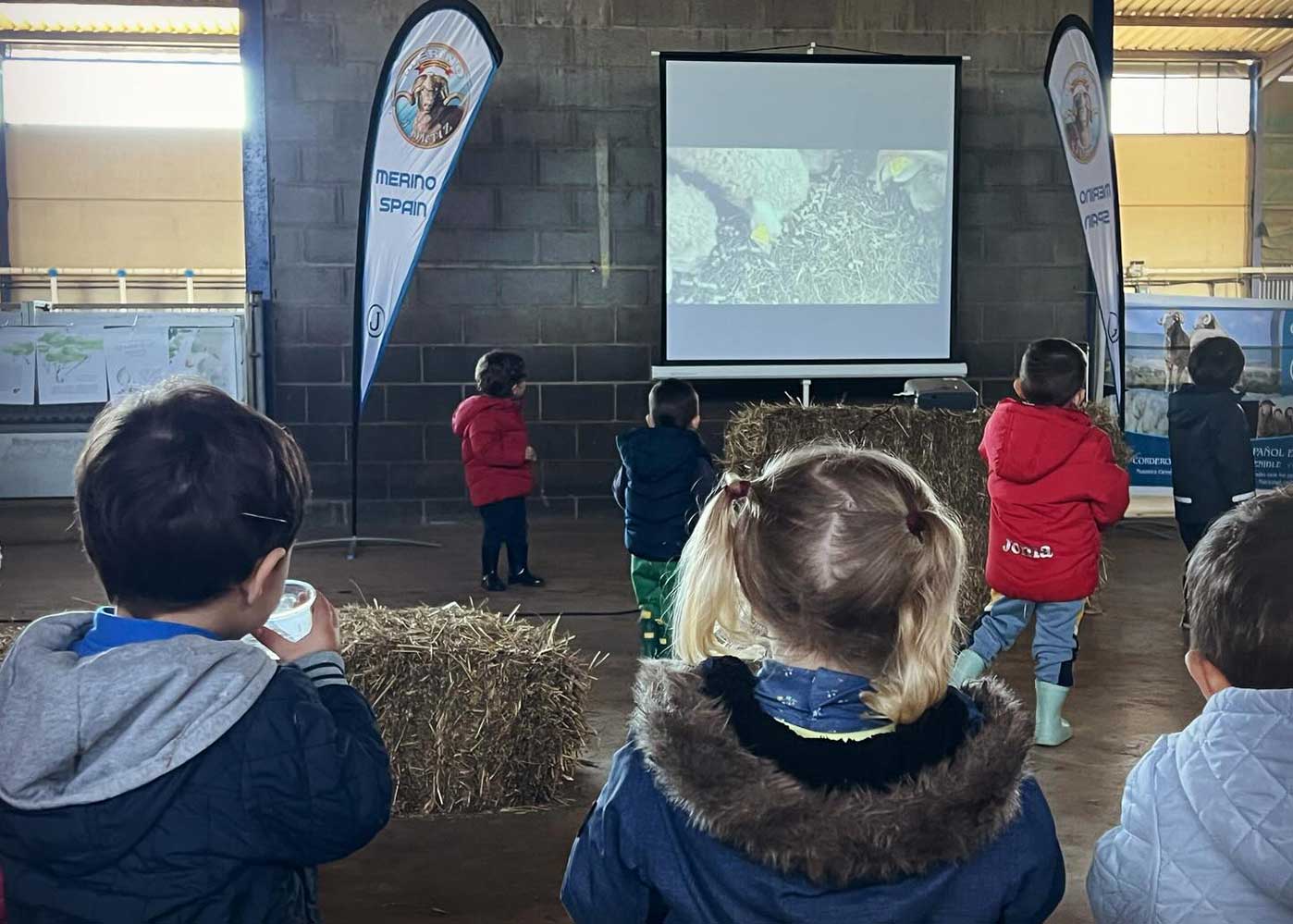
Activities with schoolchildren could not be missed either., The “MiniMerino Tour”, in which for two or three days a month they pass through the livestock farm around 200 boys and girls. The schools in the region already include the activity as part of their didactic programming and, thanks to word of mouth, They come from other autonomous communities. Sometimes, taking advantage of quiet days on the farm, It is the Camino itself that brings a small traveling museum to schools, that allows you to tell the little ones the history and importance of transhumance.